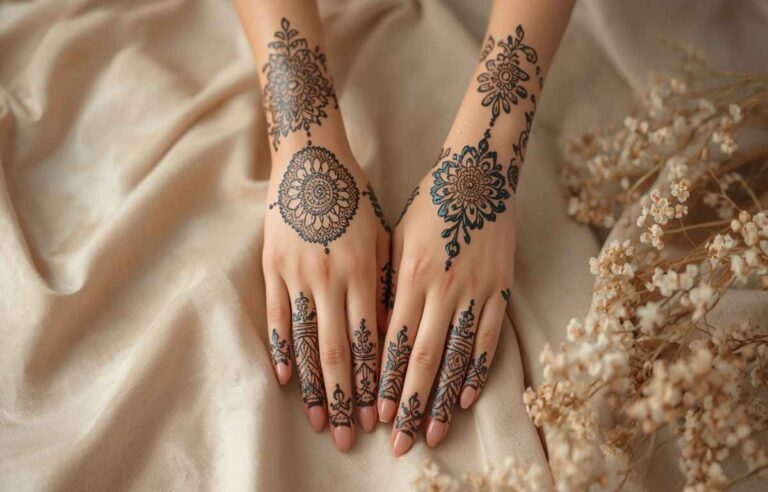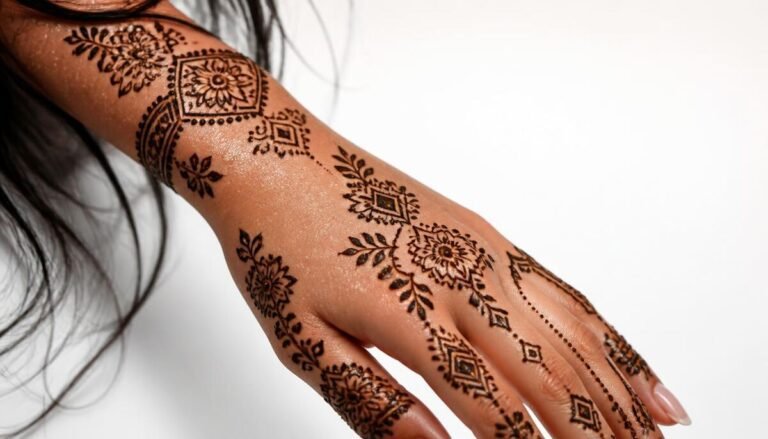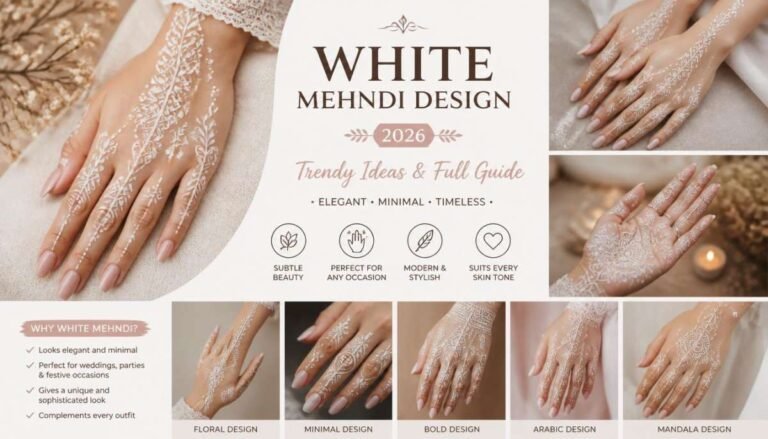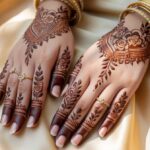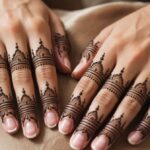
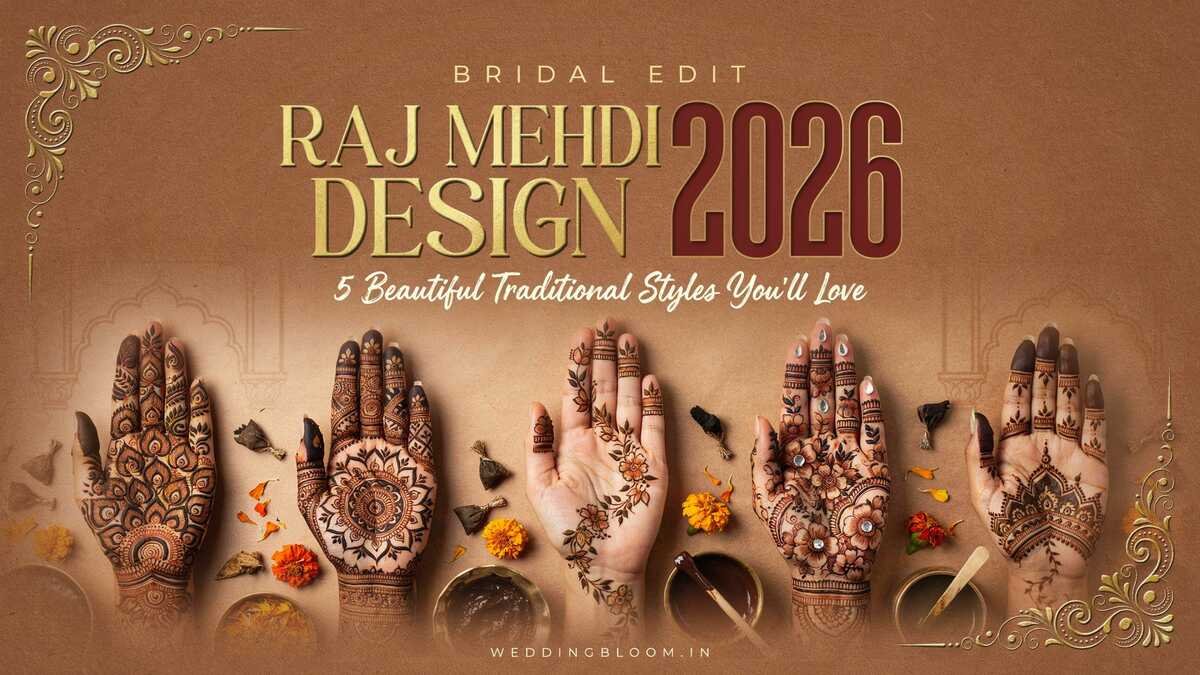

Raj mehndi design features detailed patterns, peacocks, Shikargah scenes, and geometric shapes inspired by Rajasthan’s traditions. Popular for weddings, Teej, and festive celebrations, it creates a rich and royal look. Its intricate artwork and traditional motifs make it a timeless choice for brides and mehndi lovers alike.
What Is Raj Mehndi Design?
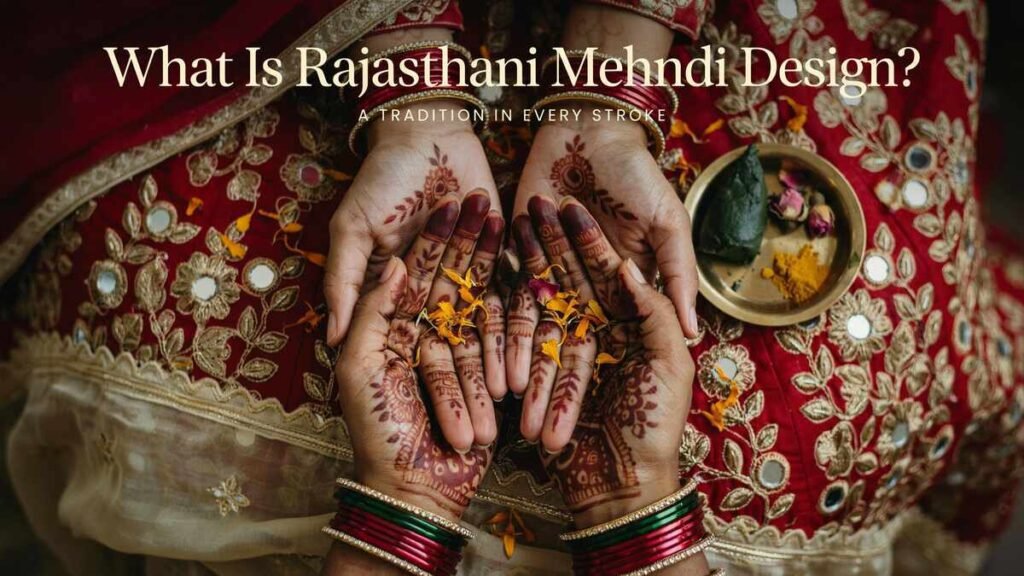
Rajasthani mehndi design stands out for its dense coverage and storytelling motifs. Unlike Arabic mehndi, which uses open spaces and flowing floral trails, Rajasthani designs fill the skin with detailed elements such as peacocks,
Chowkadi grids, Shikargah scenes, and hidden dulha-dulhan figures. This style is especially popular for bridal mehndi because of its elaborate and regal appearance.
Shikargah Mehndi Design
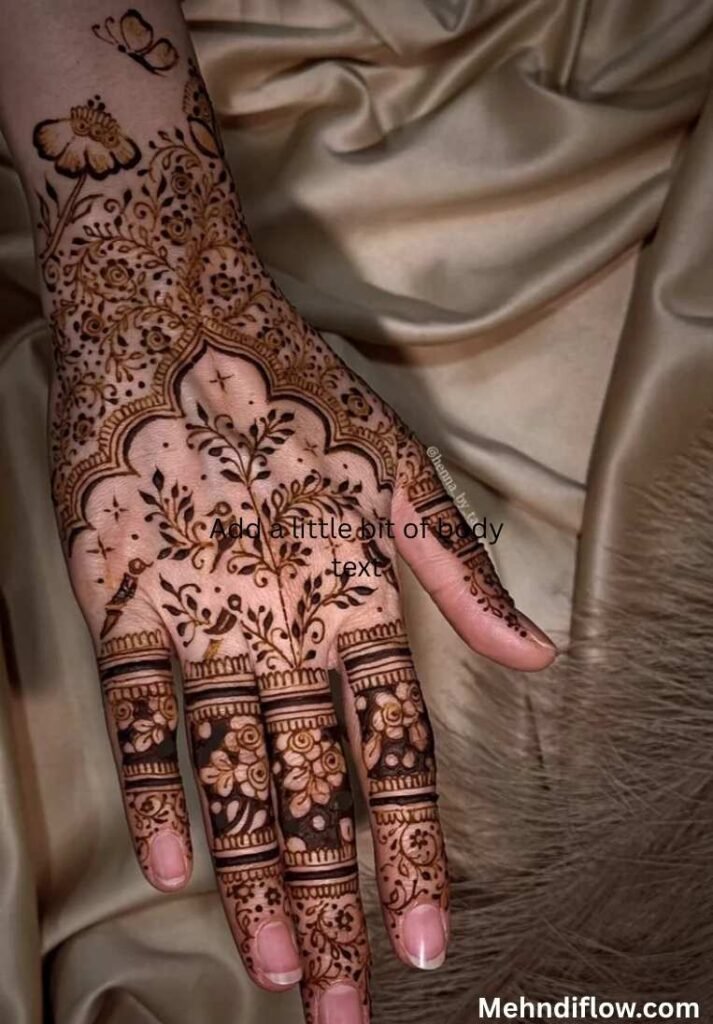
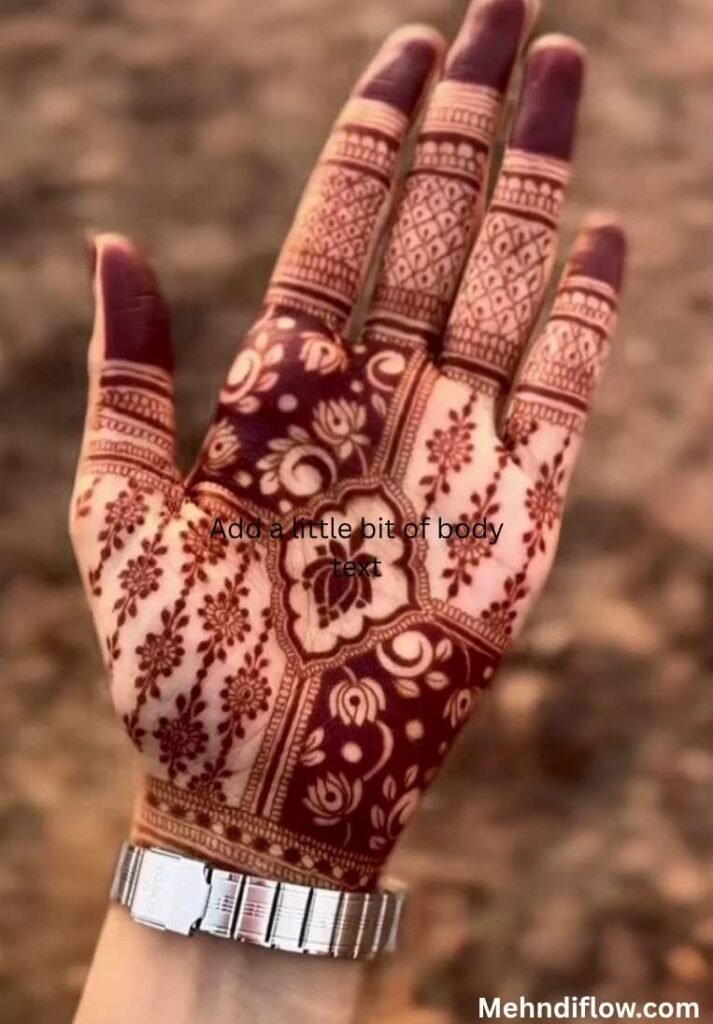
Shikargah mehndi design is basically a royal hunting scene drawn in henna. Picture hunters on horseback or elephants, weaving through a forest full of deer, tigers, and birds.
It’s one of the toughest Rajasthani motifs to pull off, simply because of how many tiny figures get packed in. Artists usually treat it as the centerpiece, placing it on the back of the hand or top of the foot and building everything else around it.
Because of its intricate details, brides and families usually choose Shikargah mehndi for weddings and major festivals instead of everyday wear. Expect it to take noticeably longer than a standard floral fill.
Peacock Motif in Rajasthani Bridal Mehndi
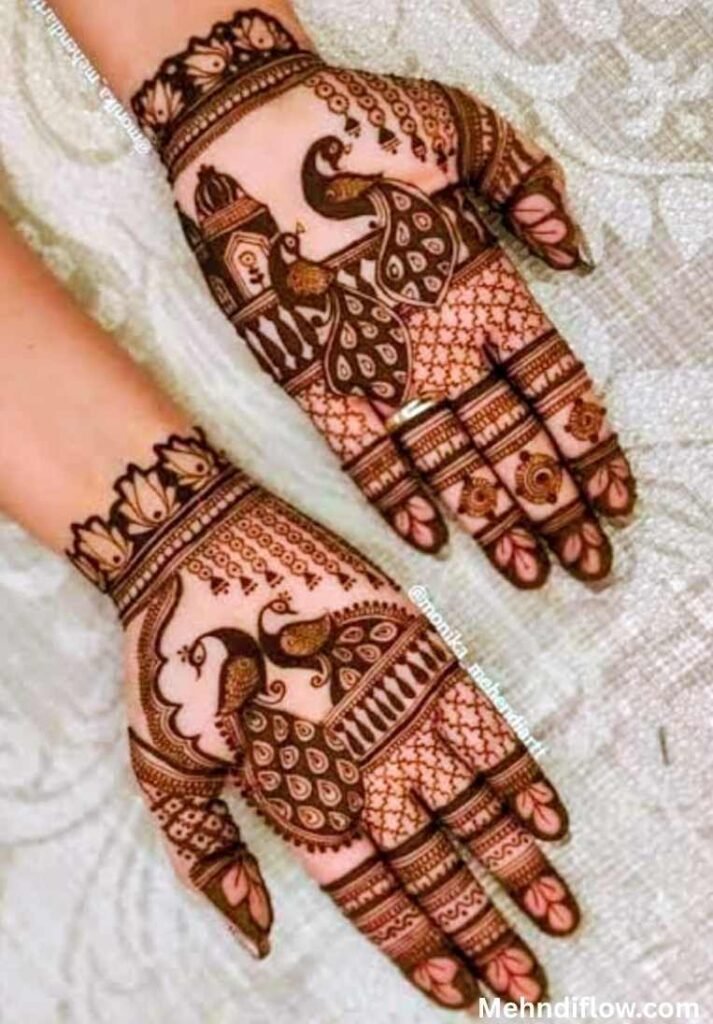
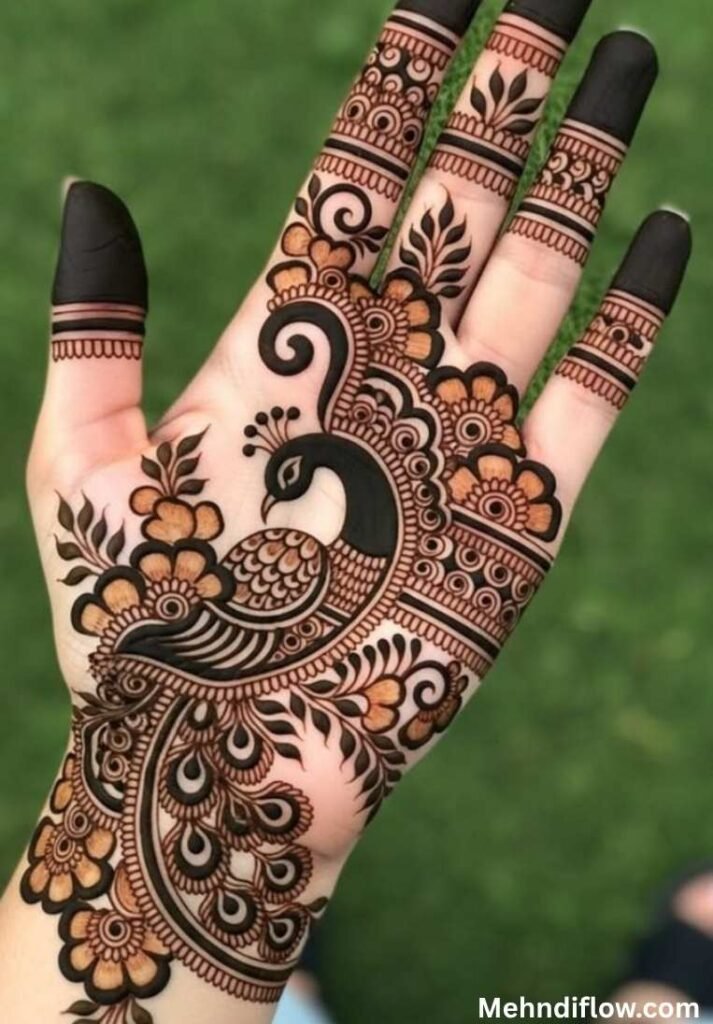
The peacock, or mor, shows up everywhere in Rajasthani bridal mehndi, and for good reason. It represents grace, beauty, and the monsoon in Indian culture.
In bridal designs, you’ll often see one large peacock with a fully fanned tail right in the center of the palm or foot. Those tail feathers get filled with tiny dots, mini paisleys, or net patterns, which gives the whole thing a layered, textured look.
A nice variation? Two smaller peacocks facing each other near the wrist or ankle, framing the design. Peacocks and grid patterns pair naturally; curves meet structure.
Chowkadi Grid Mehndi Design
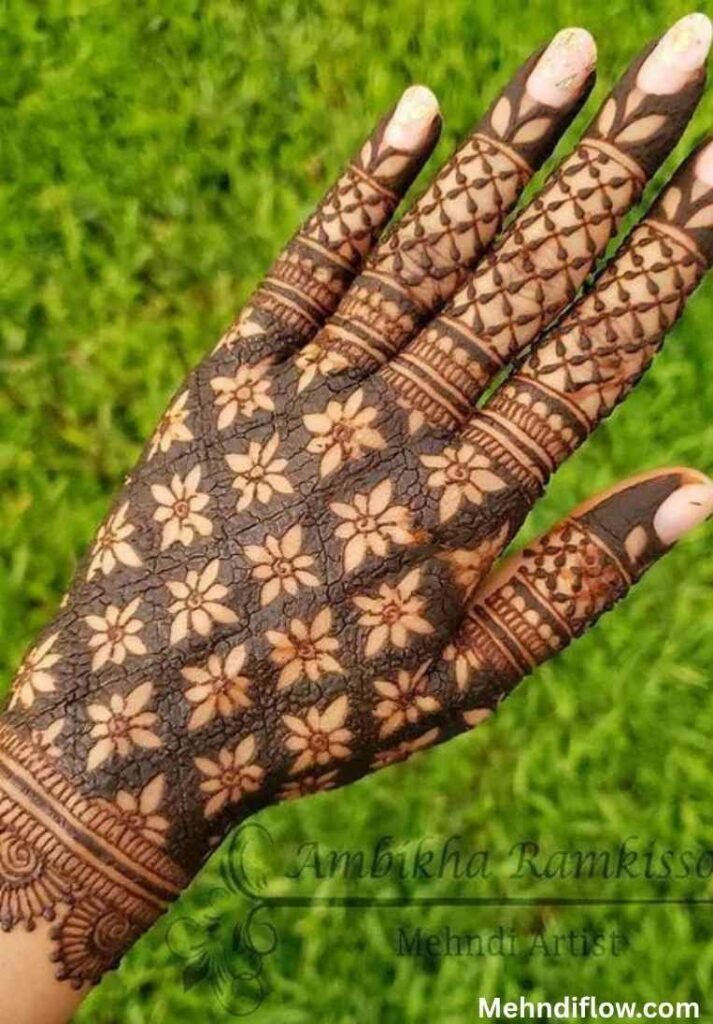
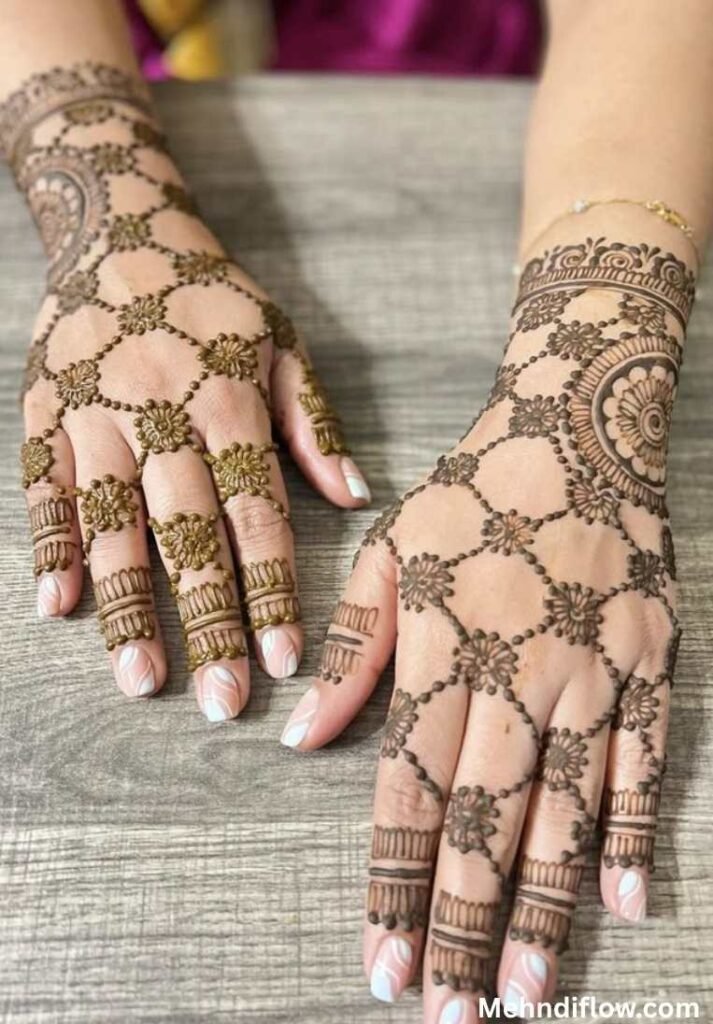
Chowkadi mehndi design is all about grids, squares, or diamonds, each filled with its own little motif: dots, lines, florals, tiny checkerboards. It’s one of the easiest ways to spot Rajasthani or Marwari mehndi at a glance.
These grid sections usually fill the background around bigger motifs like peacocks or Shikargah scenes. That’s the secret behind the no empty space look this style is known for.
Some artists treat every square as its own mini design, switching it up every few squares. Just know it takes practice; uneven lines or mismatched squares stand out fast.
Dulha-Dulhan Figures in Mehndi
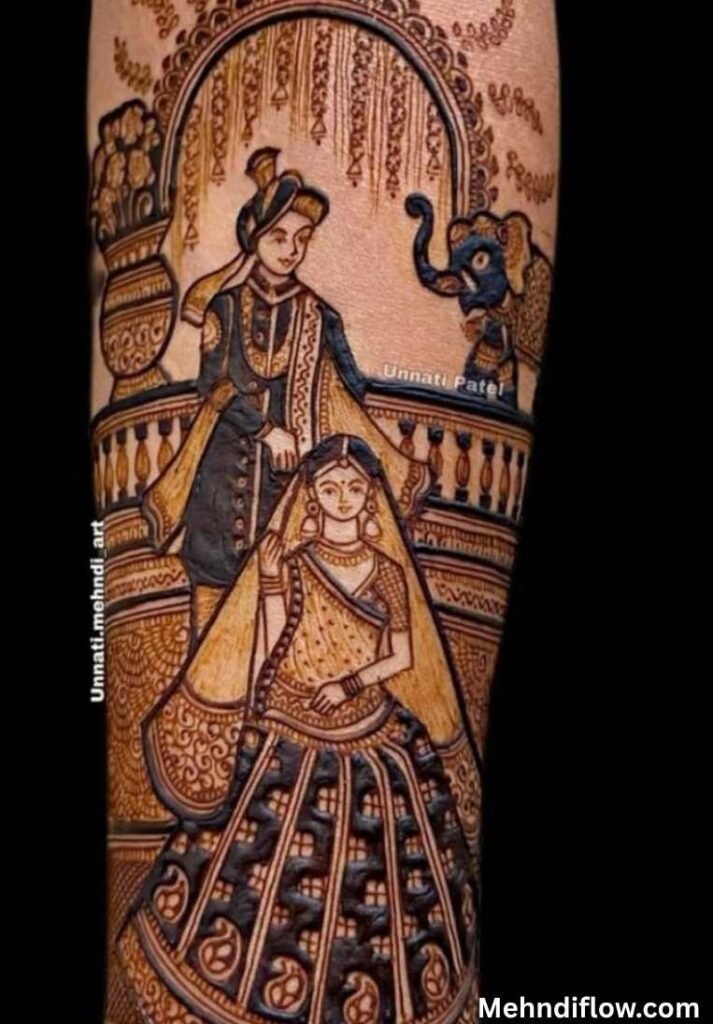
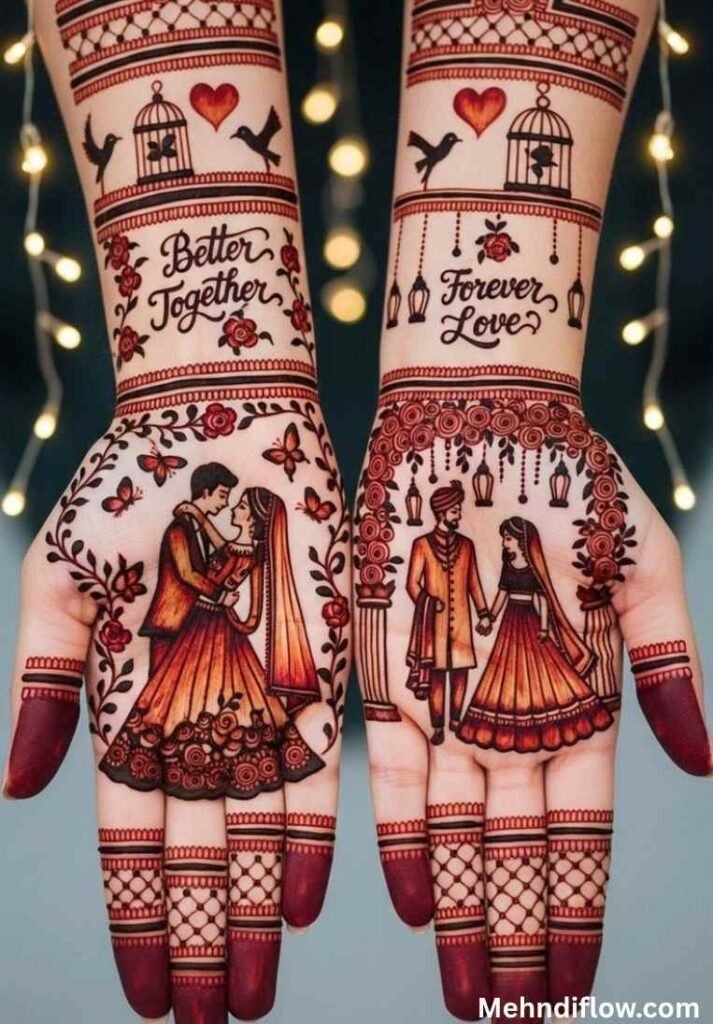
Dulha-dulhan mehndi is exactly what it sounds like: tiny hidden figures of the bride and groom tucked somewhere in the design. People often turn it into a game where the groom searches for his initials or a hidden figure within the bride’s mehndi pattern.
This tradition is big in Rajasthani and North Indian bridal mehndi. Artists draw the figures at a tiny scale, blending them into floral or grid patterns so they don’t stand out at first glance.
Some brides go with hidden initials instead of full figures, same idea, simpler execution. Not every Rajasthani bridal design includes this, but it’s one of the most requested touches for weddings.
Gher Pattern: Raj Mehndi Design
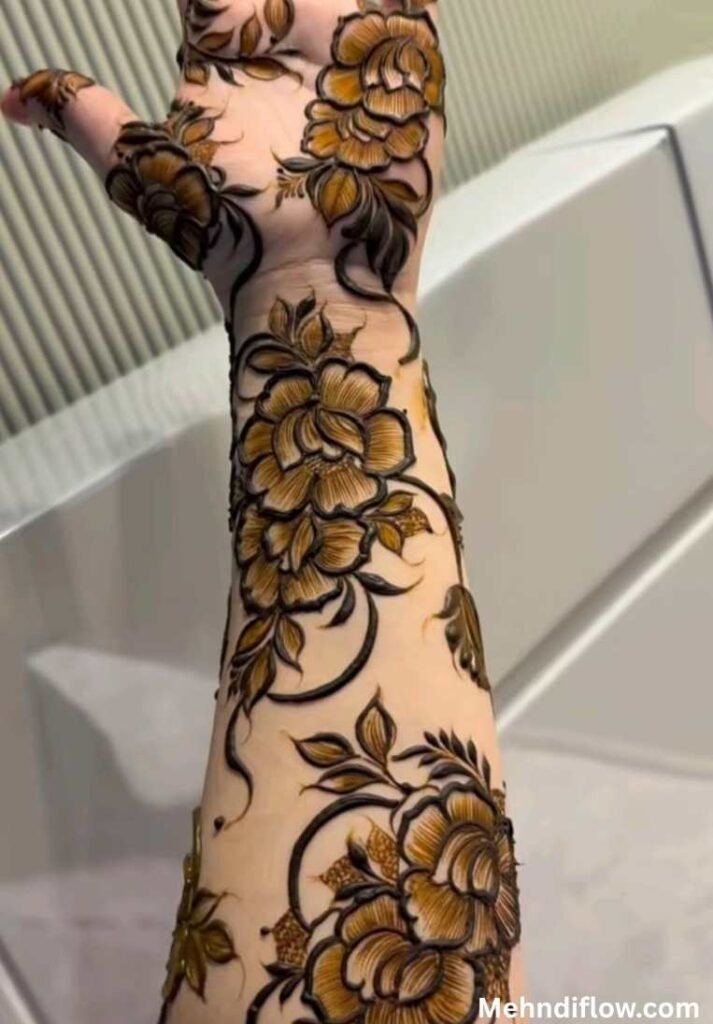
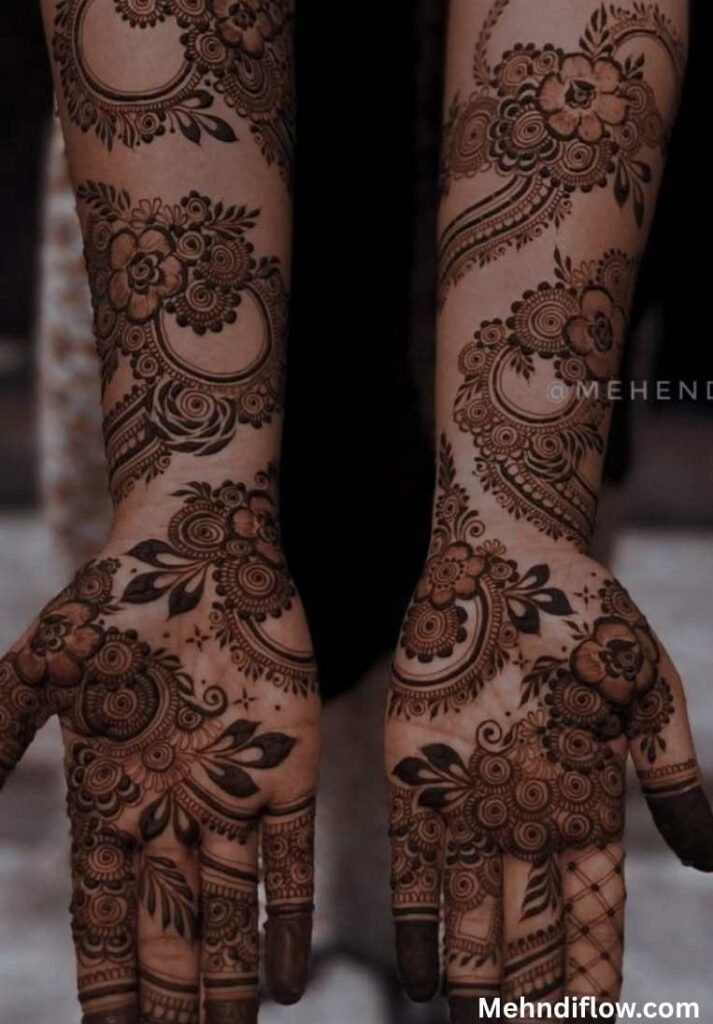
Gher mehndi design is the leg extension you see in Rajasthani bridal mehndi. It picks up where the foot mehndi design ends and continues past the ankle, often up to the calf or knee. “Gher” literally means flare, like a lehenga skirt.
This part usually repeats whatever’s on the foot, peacocks, florals, grid fill, in a band wrapping the leg. Brides often choose this style because their lehenga may lift while walking or sitting for long periods.
Don’t treat the leg as an afterthought with a basic border. The best Rajasthani designs carry the foot’s motifs right up the leg, so it all feels like one piece.
Choosing Your Rajasthani Mehndi Design
So, which style should you go for? It depends on the occasion, your time budget, and how much coverage feels right.
For weddings, the full combo works best: Shikargah or peacock centerpiece, Chowkadi fill, dulha-dulhan figures, and Gher leg coverage. For festivals like Teej or Gangaur, just one or two elements, say, a peacock with light grid fill on the hands, can be enough.
New to this style? Start with one peacock motif and a touch of Chowkadi fill. For more bridal mehndi design ideas, or for something lighter, browse simple mehndi designs and mix in a few Rajasthani touches for a modern twist.
Frequently Asked Questions About Raj Mehndi Design
What is the difference between Rajasthani and Arabic mehndi design?
Rajasthani mehndi design fills the skin almost completely with detailed motifs like peacocks and grid work, while Arabic mehndi uses open floral vines with visible skin between elements. Coverage and motif style are the main differences.
What does Shikargah mean in mehndi design?
Shikargah refers to a hunting scene motif showing hunters on horseback or elephants among trees and animals. It’s one of the most detailed centerpiece patterns used in Rajasthani bridal mehndi.
What is Gher Mehndi design?
Gher mehndi design is the extended leg pattern in Rajasthani bridal mehndi that continues from the foot up to the ankle, calf, or knee. The term “gher” means flare, referencing the spread of a traditional skirt.
How long does a full Rajasthani bridal mehndi design take?
A full Rajasthani bridal design covering both hands and feet with Gher leg extensions typically takes several hours. It’s often split across multiple sittings because of the dense detailing involved.
Can Rajasthani mehndi designs be worn for non-bridal occasions?
Yes, single elements like a peacock motif or light Chowkadi grid fill work well on their own for festivals such as Teej or Gangaur, without the full bridal-length coverage.
What is the dulha-dulhan tradition in mehndi design?
The dulha-dulhan tradition involves hiding tiny figures or initials of the bride and groom within the mehndi pattern. It’s commonly used as a playful search game during wedding celebrations.
Which motifs are most common in Rajasthani mehndi design?
The most common motifs include peacocks (mor), hunting scenes (Shikargah), geometric Chowkadi grids, and floral or paisley fillwork, often combined within the same design.