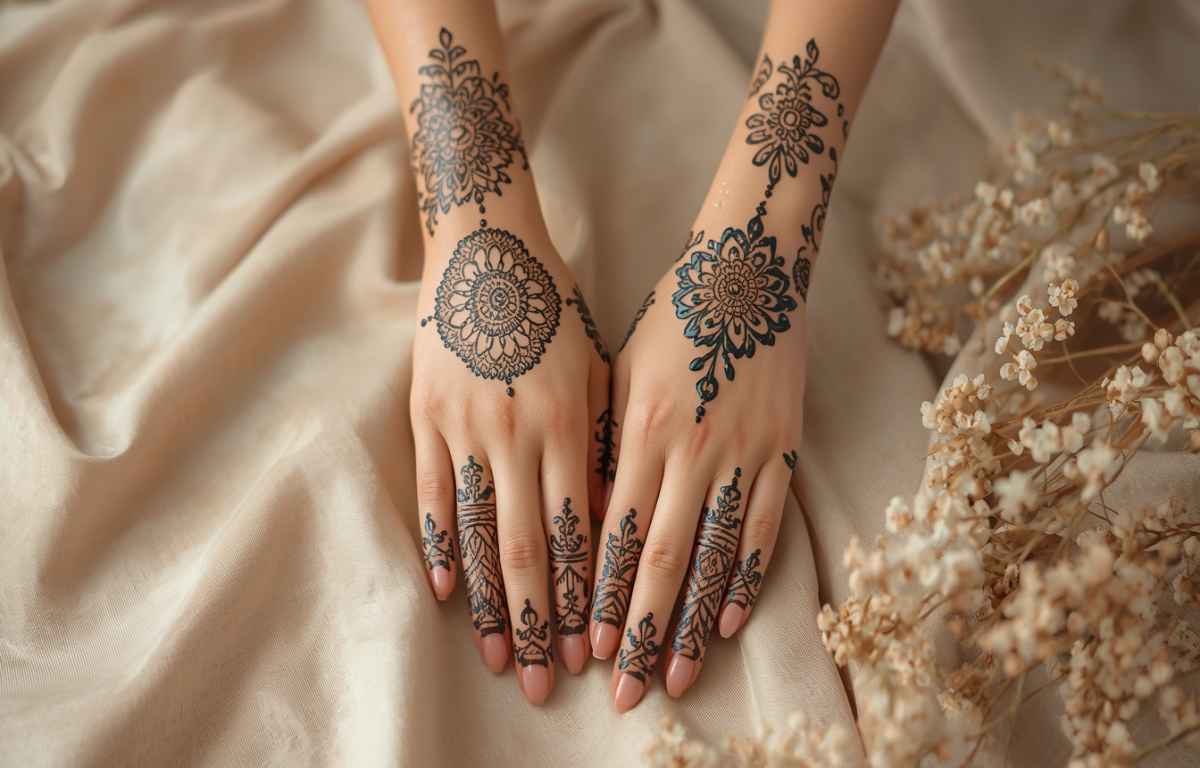

Mehndi is one of the easiest ways to add beauty to your hands without needing heavy accessories. A beautiful design can complete your Eid outfit, make a wedding look more special, or simply give you something creative to try at home. From detailed bridal patterns to small floral motifs, there is a mehndi style for almost every occasion.
Today, mehndi designs are inspired by different cultures, traditional artwork, and modern fashion. Some people love full-hand designs with intricate details, while others prefer open spaces, fine lines, and simple patterns. You can also mix different styles to create a design that feels more personal.
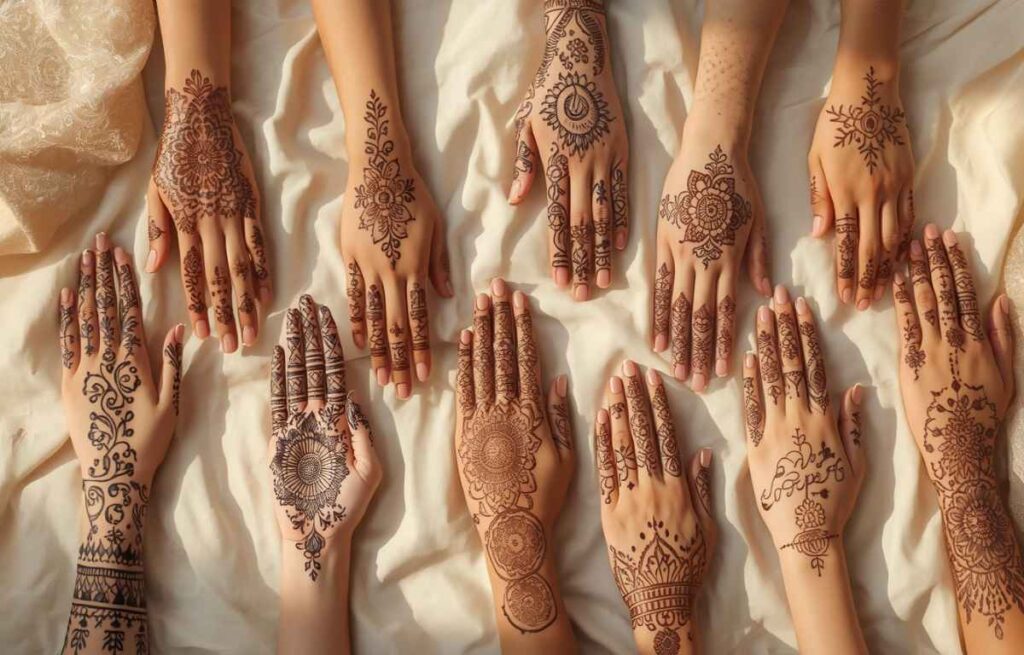
If you are searching for the top 10 world best mehndi design ideas, this guide will help you explore ten beautiful styles from different mehndi traditions. These designs are suitable for weddings, Eid, parties, family gatherings, and everyday celebrations.
There is no single design that will suit everyone. The right choice depends on your hand shape, outfit, occasion, available time, and the amount of coverage you like. Sometimes, a simple design with good spacing can look more attractive than a very detailed pattern.
Top 10 World Best Mehndi Designs to Try
1. Arabic Mehndi Design
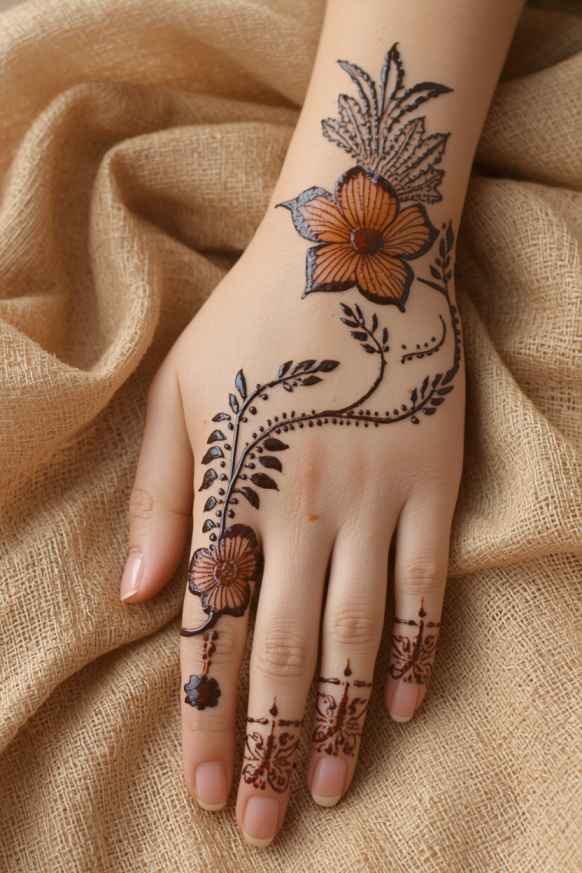
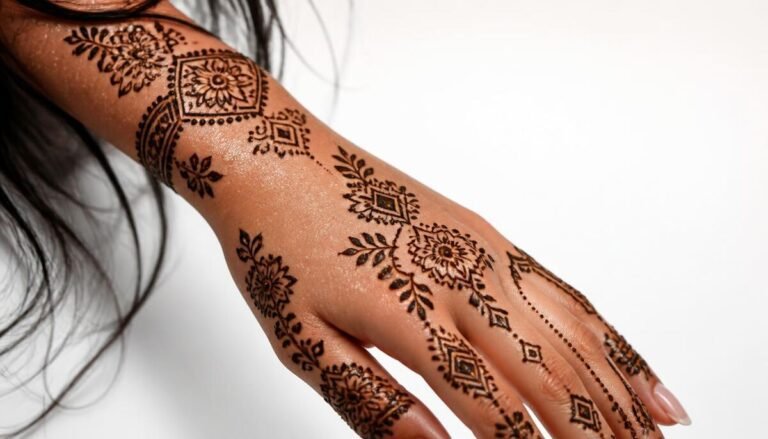
Arabic mehndi design is known for its bold flowers, flowing leafy vines, curved lines, and beautiful use of empty space. Instead of covering the entire hand with small details, Arabic mehndi usually follows a clear direction. The design may move diagonally across the palm or flow from the wrist toward the fingers.
Large floral motifs are often the main attraction in this style. Artists connect these flowers with leaves, small buds, curved trails, and tiny dots. The open skin between the patterns gives the design a clean and elegant appearance.
Arabic mehndi is a good choice for Eid, wedding guests, family gatherings, parties, and simple festive looks. It is also suitable for beginners because you do not need to fill every part of the hand. You can create a beautiful result with just a few large flowers and a graceful vine.
My tip: Do not add too many extra details to an Arabic design. The beauty of this style comes from its flow and spacing. First decide where the main floral trail will go, then add small leaves and dots to connect the pattern naturally.
If you prefer light and stylish patterns, you can also explore our aesthetic mehndi design ideas for more inspiration.
2. Indian Bridal Mehndi Design
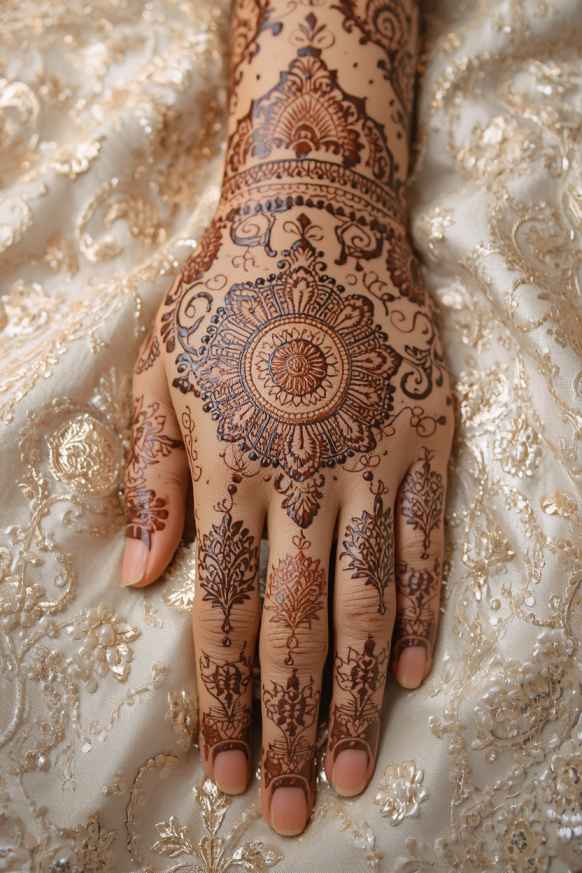
Indian bridal mehndi is famous for its intricate patterns, traditional motifs, and detailed coverage. These designs often include paisleys, peacocks, mandalas, flowers, fine lines, jaali work, and decorative borders. Some bridal designs also include bride-and-groom figures or hidden initials.
A full Indian bridal design may cover the palms, fingers, wrists, and forearms. It can take several hours to complete because every area contains small details. However, you can also choose a lighter version by using one large motif and a few traditional fillers.
A central mandala, peacock, or large paisley can give the palm a strong focal point. You can then build smaller flowers, leaves, and curved lines around it. This creates a traditional appearance without making the design look messy.
Indian bridal mehndi is ideal for weddings, engagement ceremonies, bridal showers, and traditional celebrations. It also looks beautiful with heavily embroidered outfits and classic bridal accessories.
My tip: Avoid making every part of the hand equally busy. Choose one main design element and let the other details support it. This will make the overall pattern look more organised and easier to understand.
If you love full-coverage patterns, you can also explore our collection of Bharwa mehndi designs.
3. Pakistani Mehndi Design
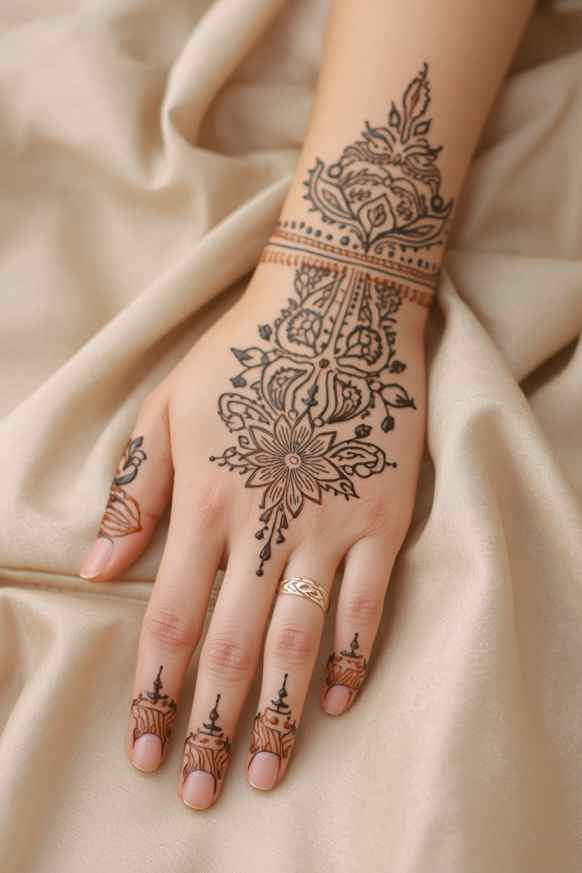
Pakistani mehndi designs often combine fine traditional detailing with the flowing layout of Arabic mehndi. Depending on the occasion, the design can be light and delicate or rich and heavily filled. Common patterns include flowers, paisleys, domes, mandalas, leafy vines, and detailed finger work.
One of the best things about Pakistani mehndi is its flexibility. You can choose a full-hand design for a wedding or a simple palm design for Eid. Some patterns focus on the centre of the hand, while others move from the wrist toward the fingers in a long, graceful trail.
Pakistani designs often look beautiful when traditional motifs are combined with neat spacing. A detailed central pattern can be balanced with lighter borders and small floral details. This helps the design feel festive without making it look overcrowded.
This style works well for mehndi nights, weddings, family functions, and other cultural celebrations. You can also adjust the level of detail according to your time and comfort.
My tip: Start with the main motif before working on the smaller fillers. If you add details too early, it becomes difficult to control the shape and direction of the design. Plan the layout first, then complete the smaller sections.
For a simpler version of this style, try these basic front-hand mehndi designs.
4. Floral Mehndi Design
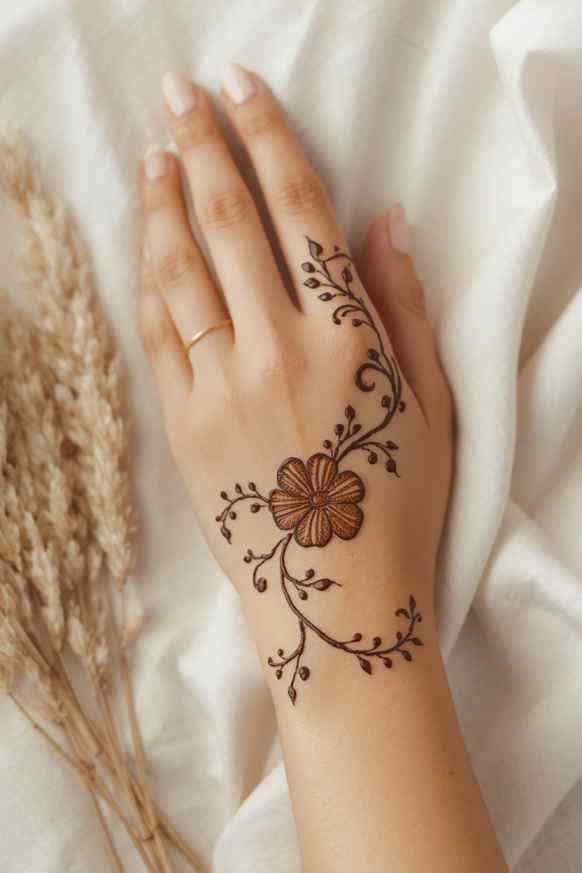
Floral mehndi designs are a timeless choice because flowers can be used in both simple and detailed patterns. You can create a design with one large flower or combine several flowers with leaves, buds, vines, and small decorative details.
A floral design can be placed almost anywhere on the hand. You can draw a large flower near the thumb, create a diagonal trail across the palm, or decorate the wrist with a flower bracelet. For a lighter look, keep the flowers separate and leave visible skin between them.
Floral mehndi is suitable for Eid, engagement parties, bridal showers, casual gatherings, and everyday celebrations. It is also a good style for beginners because basic flowers can be created with simple petals and curved lines.
The final appearance depends on the size and placement of the flowers. Large flowers create a bold look, while small flowers and tiny buds give the design a softer appearance. Leaves can be used to connect the motifs and guide the eye across the hand.
My tip: Choose a direction before you begin. A diagonal floral trail usually looks more natural than placing flowers randomly. Also, try to keep the flower sizes balanced so that one motif does not overpower the rest of the design.
For more floral inspiration, explore our flower mehndi design collection.
5. Mandala Mehndi Design
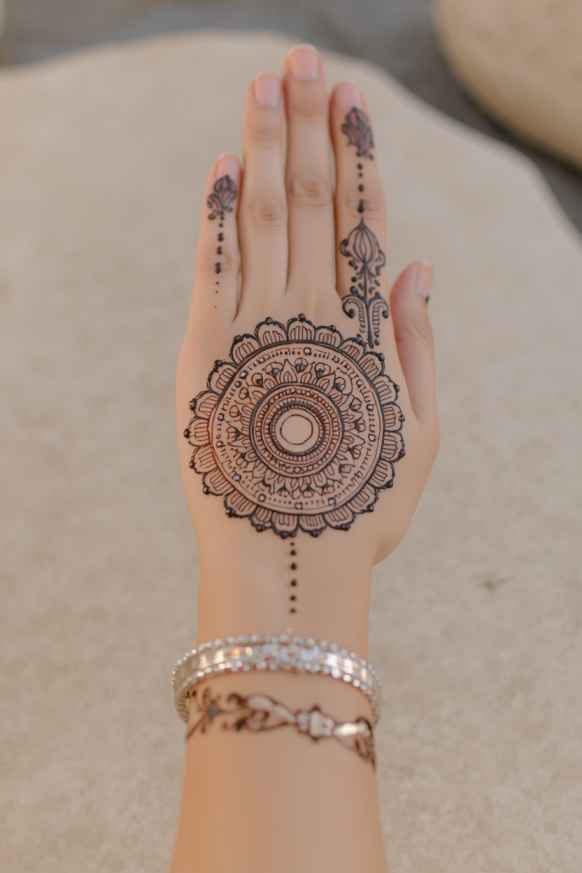
Mandala mehndi designs are created around circular patterns. They usually begin with a small centre point and expand outward through layers of petals, rings, dots, scalloped borders, and fine decorative lines.
A mandala can be placed in the centre of the palm, near the wrist, or on the back of the hand. You can also combine it with small finger trails, leafy vines, paisleys, or bracelet-style patterns. Its circular shape gives the design a balanced and organised appearance.
A simple mandala may contain only a few layers of petals and dots. A more detailed version can include several rings, fine lines, small leaves, and decorative fillers. This makes the style suitable for both beginners and experienced mehndi artists.
Mandala mehndi works well for Eid, wedding guests, casual celebrations, and traditional events. It can also become the centrepiece of a larger bridal design.
My tip: Work slowly from the centre toward the outside. Try to keep the spaces between the rings as even as possible. If the design is not perfectly symmetrical, small dots and curved borders can help make it look more balanced.
If you enjoy circular patterns, you can find more ideas in our circle mehndi design collection.
6. Minimalist Mehndi Design
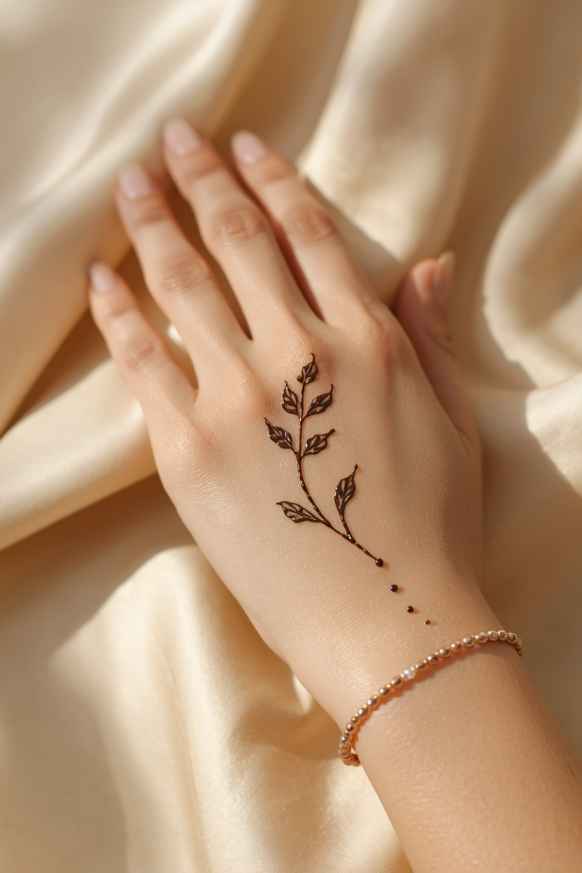
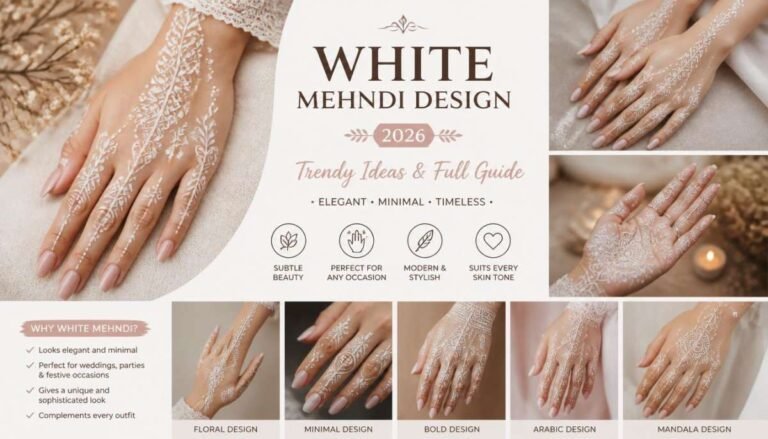
Minimalist mehndi is perfect for people who prefer simple patterns and plenty of visible skin. Instead of covering the complete hand, this style focuses on a few carefully placed details. The final look is usually delicate, modern, and easy to wear.
Popular minimalist elements include tiny flowers, fine leafy branches, small hearts, thin wrist bands, dotted trails, simple paisleys, and small geometric shapes. You can place these motifs near the thumb, along the side of the palm, across one finger, or around the wrist.
Minimalist mehndi is suitable for casual events, office-friendly looks, engagements, small gatherings, and people who do not enjoy heavy designs. It can also be a practical option when you have limited time.
Although the design is simple, placement is very important. When there are only a few motifs, every line becomes noticeable. A small flower in the right position can look more attractive than several unrelated patterns spread across the hand.
My tip: Choose one main detail and add only a few supporting elements. Do not fill empty areas just because they are available. In minimalist mehndi, the empty space is part of the design.
7. Khafif Mehndi Design
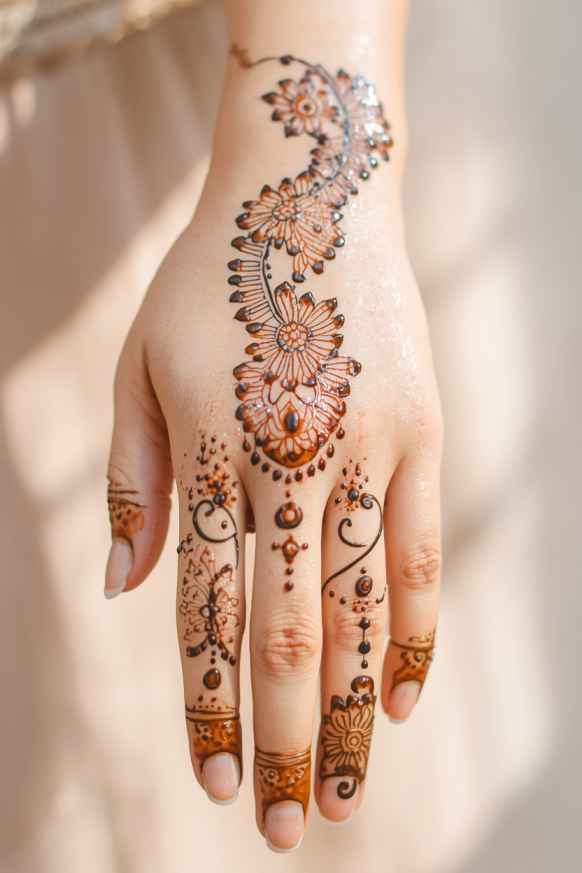
Khafif mehndi design focuses on fine lines, light detailing, delicate motifs, and open spaces. It is a useful choice for people who want their hands to look decorated without using a heavy amount of henna.
A Khafif design may include small flowers, thin leafy vines, tiny paisleys, delicate finger patterns, fine dots, and narrow wrist bands. It can be inspired by Arabic, floral, geometric, or modern mehndi styles.
The main beauty of Khafif mehndi comes from its spacing. The motifs are not placed too closely together, so each detail remains visible. This makes the design look light, neat, and graceful.
Khafif mehndi is suitable for Eid, simple wedding looks, family gatherings, and casual celebrations. It can also be a good option for beginners who already have some control over a mehndi cone.
My tip: Use gentle pressure while applying the paste. Try to keep your lines thin and avoid adding too many fillers. A few carefully placed dots can often complete the design better than unnecessary extra details.
If you want to explore more designs in this style, visit our Khafif mehndi design collection.
8. Peacock Mehndi Design
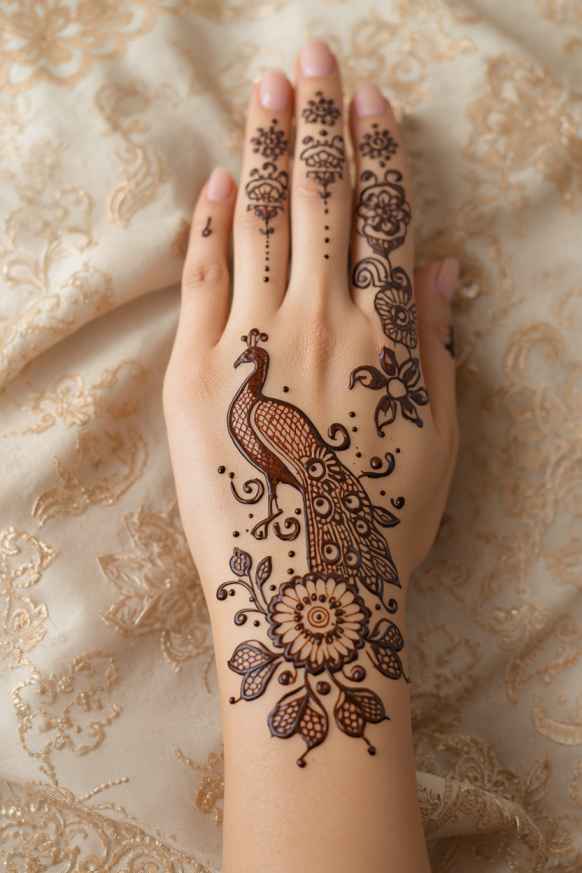
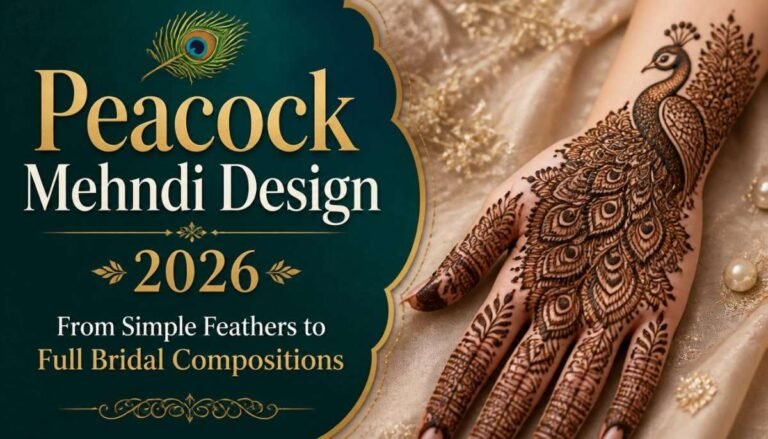
Peacock mehndi designs are loved for their traditional beauty and detailed appearance. The peacock can be placed in the centre of the palm, on the back of the hand, near the wrist, or along the forearm.
A peacock motif usually includes a curved neck, decorative body, detailed feathers, and a beautiful tail. Artists often surround the bird with flowers, paisleys, leaves, and fine borders. The design can be simple or highly detailed, depending on the occasion.
A small peacock can work well in a simple front-hand design. For bridal mehndi, the peacock may become the main feature of a full-hand pattern. Its feathers can be decorated with tiny lines, dots, and floral details.
This style is especially suitable for brides, wedding guests, and anyone who enjoys traditional South Asian artwork. It can also be combined with Indian, Pakistani, or Indo-Arabic patterns.
My tip: Keep the peacock clear and recognisable. Do not surround it with too many heavy details. Leave a little space around the tail so the feather pattern remains visible and the main motif does not get lost.
You can also use a small peacock as the centre of a larger design instead of covering the entire palm.
9. Moroccan Geometric Henna Design
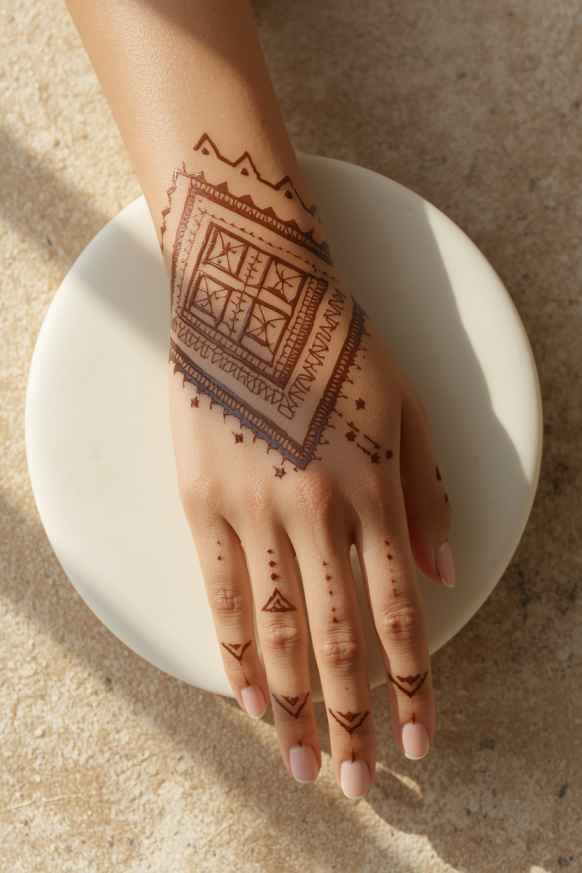
Moroccan-inspired henna designs are known for geometric shapes, bold lines, diamonds, triangles, grids, zigzags, and symmetrical patterns. Unlike floral mehndi, this style depends more on structure and repetition.
Geometric henna can look modern and artistic without using hundreds of tiny details. You can create a patterned wrist band, a central palm design, or a combination of diamonds and lines across the back of the hand.
This style is suitable for people who enjoy clean patterns and contemporary designs. It can also help beginners practise straight lines, repeated shapes, and controlled cone movement.
However, geometric mehndi needs a little planning. If the lines are uneven or the spaces between the shapes are inconsistent, the design may lose its neat appearance. It is better to use two or three repeated shapes than to add too many unrelated patterns.
My tip: Follow the natural shape of the hand while planning your design. Keep the sections evenly spaced and repeat the same motifs throughout the pattern. This will create a more organised and professional finish.
You can also combine geometric shapes with flowers or leaves if you want a softer Indo-modern look.
10. Indo-Arabic Mehndi Design
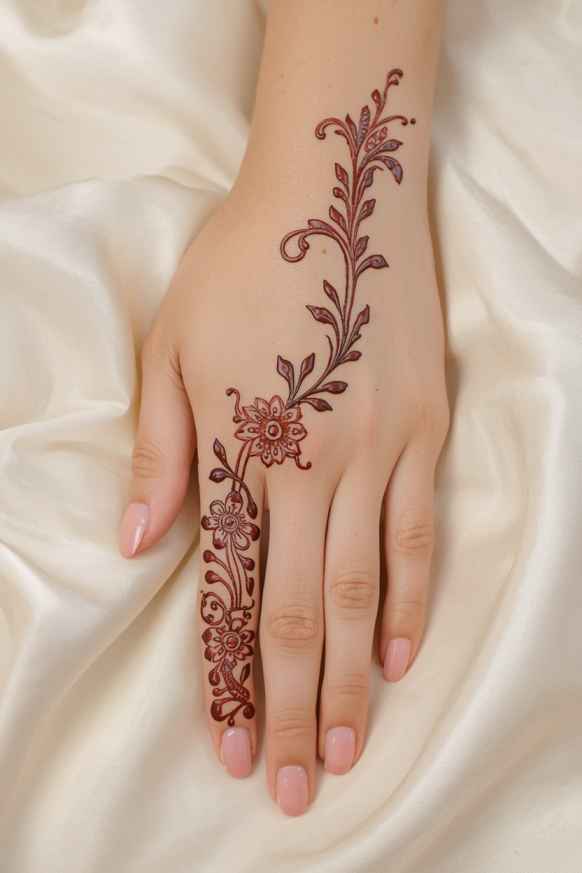
Indo-Arabic mehndi combines the detailed beauty of Indian mehndi with the flowing structure of Arabic designs. It is a flexible style for people who want traditional details but also like open spaces and modern layouts.
An Indo-Arabic design may include bold floral trails, paisleys, mandalas, fine Indian-style fillers, leafy vines, and delicate finger patterns. The centre of the hand may be detailed, while the wrist and fingers follow a lighter Arabic-inspired pattern.
This style is suitable for brides, wedding guests, Eid celebrations, engagement parties, and traditional events. It is also a good choice if you cannot decide between a detailed Indian design and a simple Arabic pattern.
You can create a balanced look by placing a detailed floral or paisley motif in the centre of the palm. Then, add flowing vines toward the wrist and lighter patterns around the fingers. The design does not need to be equally detailed in every area.
My tip: Keep the main motif detailed and allow the surrounding vines to remain lighter. This contrast gives the design a natural flow and prevents the hand from looking too crowded.
Indo-Arabic mehndi is also easy to personalise. You can add small flowers, initials, dots, or a simple bracelet-style pattern according to your preference.
How to Choose the Right Mehndi Design
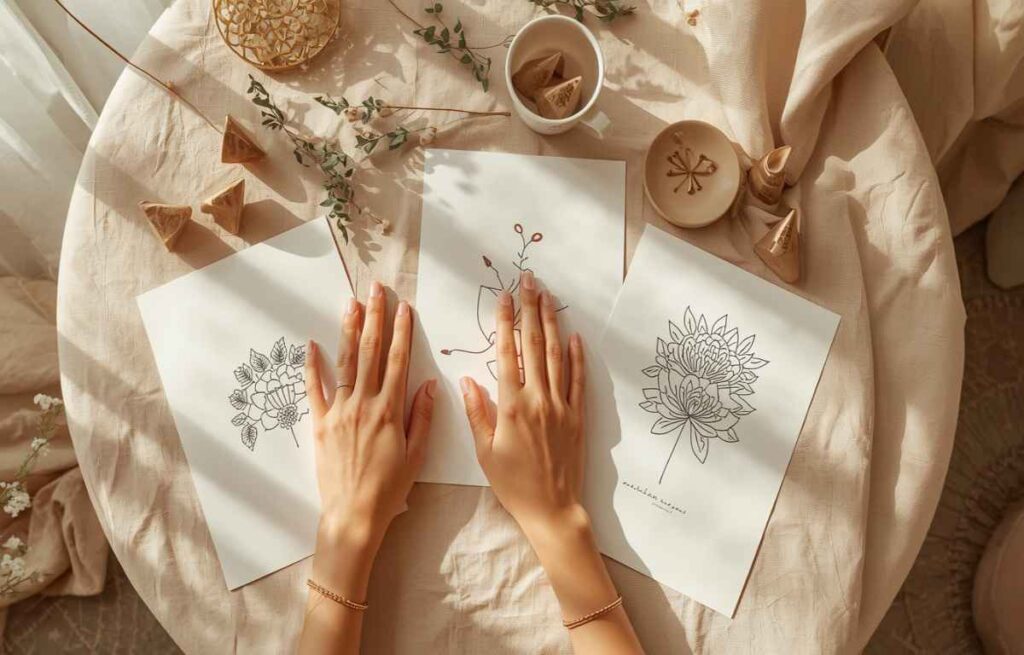
Choosing a mehndi design becomes easier when you think about the occasion, your outfit, the time available, and the amount of coverage you prefer.
For Eid or a casual gathering, Arabic, floral, Khafif, and minimalist designs are practical choices. They look beautiful without requiring too much time. You can also adjust their size according to your outfit and personal style.
For weddings and engagement ceremonies, Indian bridal, Pakistani, peacock, and Indo-Arabic designs can create a richer appearance. You may choose a full-hand pattern or use only a few traditional motifs on the palm and wrist.
Your outfit can also influence your decision. Heavy embroidery often pairs well with detailed mehndi, while a simple outfit may look more balanced with a delicate floral or Arabic design.
You should also consider your skill level. If you are a beginner, start with flowers, leaves, dots, curved lines, and small mandalas. Once you feel comfortable with the cone, you can move toward peacock motifs, fine jaali work, and detailed bridal patterns.
What Makes a Mehndi Design Look Beautiful?
A beautiful mehndi design does not always need to be complicated. Clean lines, balanced spacing, and thoughtful placement can make even a simple design look elegant.
Try to choose one main focal point before starting. It could be a flower, mandala, paisley, peacock, or geometric shape. Once the main motif is ready, add smaller details around it instead of decorating every area at once.
Empty space is also important. It helps the main pattern stand out and gives the design a cleaner appearance. Filling every gap may make the hand look busy and can hide the beauty of the original motifs.
The design should also follow the natural shape of your hand. Long vines can make the fingers look graceful, while round motifs often work well in the centre of the palm.
Finally, avoid adding extra patterns only to make the design look heavier. A simple design with a clear direction will usually look more attractive than a crowded pattern without proper structure.
Simple Tips for Applying Mehndi
| Tip | What to Do |
|---|---|
| Clean Your Hands | Wash and dry your hands before applying mehndi. |
| Avoid Lotion | Keep your skin free from lotion or oily products. |
| Use a Fine Cone | Choose a good-quality cone for clean and detailed designs. |
| Apply Even Pressure | Keep steady pressure on the cone for smooth lines. |
| Let Mehndi Dry | Allow the mehndi to dry naturally without touching it. |
| Keep It Longer | Leave the dried mehndi on for several hours for a deeper stain. |
| Avoid Water | Try to avoid water immediately after removing the mehndi. |
| Moisturize Later | Use a little natural oil after the mehndi has dried and been removed. |
Before applying mehndi, wash your hands and remove any oil, lotion, or greasy product. A clean surface helps the paste sit properly on the skin.
Practise a few lines, dots, leaves, and curves on paper before beginning. This will help you control the pressure of the cone and make your actual design look cleaner.
Start with the larger motifs and add the smaller details afterward. This makes it easier to maintain the overall shape and prevents the design from becoming crowded.
Allow the mehndi paste to dry naturally. Avoid rubbing the design while it is still wet because this can damage the lines and create uneven patches.
Natural henna develops colour gradually. The stain may look orange at first and become deeper over the next 24 to 48 hours. The final colour can also depend on the henna paste, skin type, and aftercare.
Always choose a safe henna product intended for use on the skin. Be careful with products that promise an instant black stain, especially when their ingredients are not clearly mentioned.
Follow MehndiFlow on Pinterest
If you enjoy discovering new mehndi ideas, follow MehndiFlow on Pinterest for more Arabic, bridal, floral, minimalist, Khafif, and modern mehndi designs.
Pinterest is helpful when you are preparing for a wedding, Eid celebration, or mehndi function. You can save your favourite designs in one place and create an inspiration board based on the style you want.
Before choosing your final design, save a few different references and compare them. Look at the placement of the main motif, the amount of empty space, and the level of detail. This will help you decide which design will work best for your own hands.
Frequently Asked Questions
Minimalist, floral, Arabic, and simple mandala designs are good choices for beginners. Start with basic flowers, leaves, dots, and curved lines before trying detailed bridal patterns.
Minimalist, floral, Arabic, and simple mandala designs are good choices for beginners. Start with basic flowers, leaves, dots, and curved lines before trying detailed bridal patterns.
Arabic, Khafif, floral, and Indo-Arabic mehndi designs are suitable for Eid. You can choose a light pattern for a simple look or a more detailed design for a festive appearance.
Arabic mehndi usually features bold flowers, flowing vines, and open spaces. Indian mehndi often includes fine details, paisleys, peacocks, mandalas, and denser coverage.
Article Summary
The top 10 world best mehndi design ideas in this guide include Arabic, Indian bridal, Pakistani, floral, mandala, minimalist, Khafif, peacock, Moroccan geometric, and Indo-Arabic styles.
Each style has its own appearance, level of detail, and coverage. Some designs are suitable for beginners, while others are better for experienced artists or special occasions.
When choosing your design, consider your outfit, event, skill level, and preferred coverage. Remember that beautiful mehndi does not always need to be complicated. Clean lines, balanced spacing, thoughtful placement, and a clear focal point can make any design look more attractive.