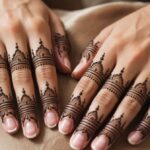


There’s a reason so many people choose to keep just one hand simple, and it’s usually the left one. It’s practical, you still need your right hand free for everyday tasks, and it lets you enjoy mehndi without committing to hours of sitting still. The trick is picking a left hand simple mehndi design that looks deliberate rather than like an afterthought.
A minimal design doesn’t have to mean an empty-looking hand. A single well-placed motif, a clean wrist line, or a scattering of small details can carry the whole look on its own. This guide walks through the patterns that work best, in what order, and how to make sure the stain actually holds up once it’s on.
The Case for Keeping One Hand Simple

Choosing to keep your left hand simple is less about limitation and more about balance. If your right hand is going to carry a fuller, more detailed design for an event, a lighter left hand keeps the overall look from feeling too heavy or symmetrical in a way that reads as overdone. It also means you’re not stuck avoiding water or tasks on both hands at once.
For everyday occasions, a simple left hand design is often the only mehndi someone wants, no event required. It suits office days, casual gatherings, or just wanting a bit of color without the full commitment. Either way, simple doesn’t mean unfinished, it just means intentional about where the detail goes.
A Toolkit That Won’t Overwhelm You

A left hand simple mehndi design doesn’t call for anything elaborate in terms of supplies. A soft, fine-tip cone makes the biggest difference of anything on this list, since a wide or stiff tip tends to blob rather than flow in a clean line. A scrap of paper to test pressure before you start saves more mistakes than people expect.
Beyond that, a couple of cotton buds for quick corrections and a comfortable, well-lit spot to rest your hand are really all you need. If you’d like to see a few pattern options before deciding, mehndi design tools let you preview styles first, which helps narrow things down before the cone even comes out.
Solving the “Which Hand Goes First” Question

If you’re doing your own mehndi, drawing on your left hand usually comes easier since your right hand does the work and stays steady. That’s actually a good reason to save your dominant hand’s design for an artist or a friend, and keep the simpler pattern for the hand you’re drawing yourself. It plays to your strengths rather than fighting them.
Doing the left hand first also means it has more time to dry and set while you finish anything else, since you won’t need that hand again right away. Planning the order this way avoids the common mistake of smudging a finished design while still working on the other hand.
The Single Flower Everyone Loves

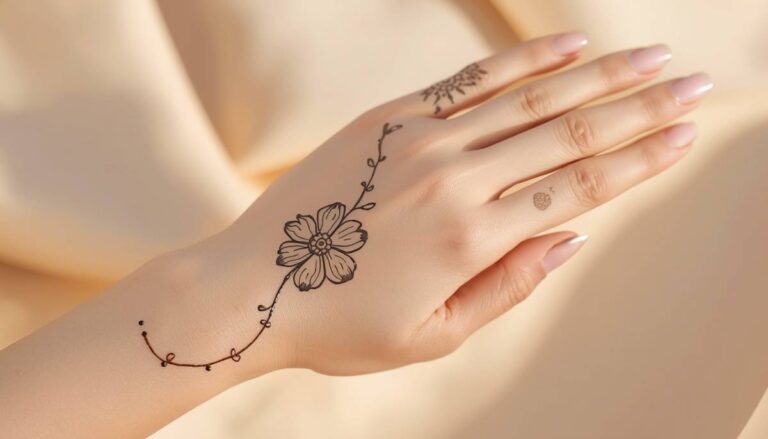
One flower, centered on the back of the hand, is the most forgiving design on this list. A rounded bloom with four or five petals and a small dot at the centre fills just enough space to look complete without asking for any real precision. The simplicity is exactly what makes it work.
It also pairs well with almost anything, whether that’s a plain outfit or something more festive, since it doesn’t compete for attention. If you want a few variations of circular, flower-style patterns to look through before you draw, circle mehndi design collection is worth a browse.
A Wrist Trail That Frames the Whole Hand

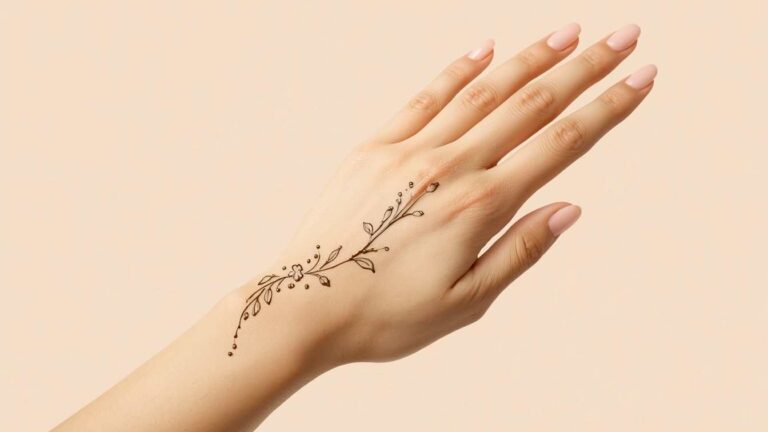
A thin vine or floral trail running along the wrist gives the illusion of a fuller design without covering much of the hand at all. One curved line with a small leaf or flower every so often is enough, and it has the added benefit of framing whatever else you choose to draw on the hand itself.
This design also tends to stay looking fresh longer, since the wrist gets less contact with water and friction than the palm or fingers do throughout the day. It’s a quiet, understated choice that still reads as intentional rather than incomplete.
Finger Tip Mehndi: Small Details, Big Impact

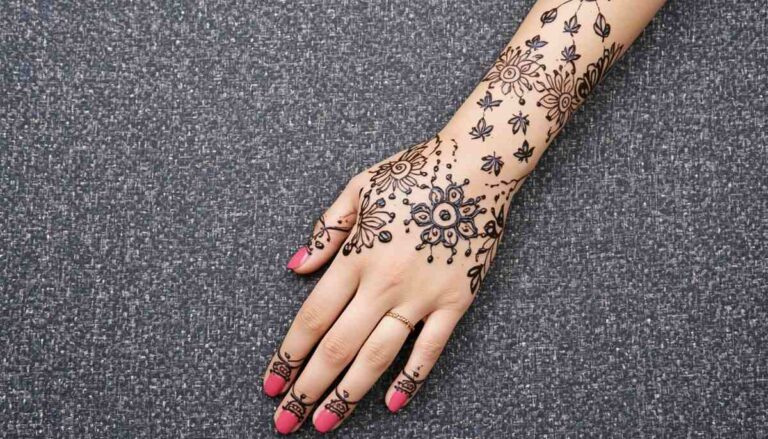
Sometimes the easiest option is to skip the hand almost entirely and focus on the fingertips. A small dot, a tiny flower, or a thin line at the tip of each finger takes only a few minutes and still gives a finished, polished look. There’s very little room for a mistake when the canvas is this small.
This is also a practical choice when time is tight, since the paste needs far less sitting time on such a small area. It pairs nicely with a bare hand otherwise, letting the fingertip detail do all the work without needing anything else.
The Back-of-Hand Focal Point

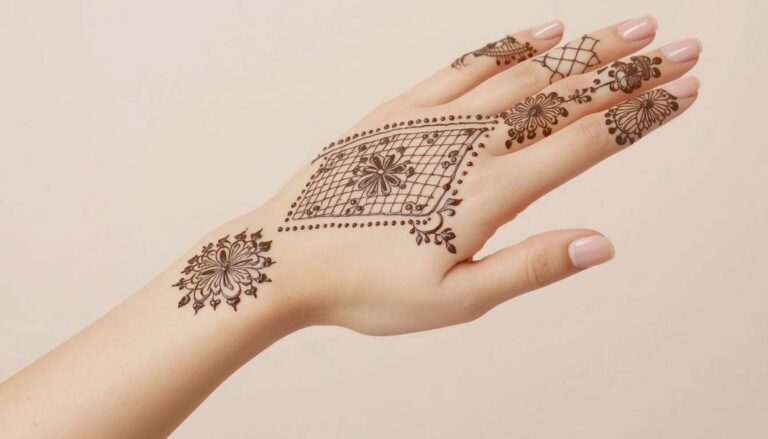
Instead of spreading a design across the whole hand, placing one clear focal point on the back of the hand, a small motif, a mini mandala, or a simple diamond shape, keeps things minimal while still giving the eye somewhere to land. The rest of the hand stays bare, which is what makes the design feel deliberate rather than sparse.
This approach also photographs well, since a single detailed point against plain skin tends to stand out more than a busy, all-over pattern would. It’s a good option for anyone who wants their mehndi noticed without wanting to commit to covering the whole hand.
Locking In a Darker, Richer Stain

Getting the design right is only half the job, what happens afterward decides how dark and long-lasting the color turns out. Letting the paste sit for at least two to three hours makes a noticeable difference, and leaving it on longer, even overnight for the hand you’re not using, deepens the stain further.
Once the paste starts to dry and flake, dabbing on a lemon juice and sugar mix with a cotton ball helps reseal it and locks in a richer shade. Avoiding water for as long as possible afterward matters too, since the color keeps developing for a day or so even after the paste has been removed.
Skipping “Black Henna” Altogether

If someone offers a faster, darker stain using “black henna,” it’s worth pausing before agreeing to it. These mixes often contain PPD, a chemical not approved for use on skin and linked to burns and allergic reactions in a fair number of cases. The FDA’s fact sheet on henna and black henna explains this clearly if you want to read further.
Natural henna paste, combined with the aftercare steps above, gets you a genuinely dark and long-lasting result without needing anything extra mixed in. A simple design doesn’t need a shortcut to look good, it just needs a bit of patience.
Matching the Design to the Moment

A single flower or a wrist trail suits daily wear or a casual outing, where the point is a bit of color rather than a statement. A back-of-hand focal point works nicely for a small function or family gathering, where you want something noticeable without going all out.
Fingertip mehndi is the easiest fit for last-minute plans, when there’s no time to sit for hours but you still want something on your hands. None of these designs need a special occasion to justify them, which is really the appeal of keeping one hand simple in the first place.
Final Thoughts
A left hand simple mehndi design works best when it looks chosen rather than left unfinished. Picking one clear idea, a single flower, a wrist trail, a fingertip detail, and giving it real time to set is usually enough to get a result that holds up well.
Start with whichever pattern feels easiest to draw yourself, since confidence matters more than complexity here. Once you’re comfortable, browsing beginner front hand designs is a good way to build on these basics for your next attempt.
FAQs
Is It Okay to Draw My Own Left Hand Mehndi?
Yes, you can easily draw your own left hand mehndi. It may even feel easier because you can use your dominant hand to create the design with better control.
Why Does My Left Hand Mehndi Fade Faster Than My Right?
Left hand mehndi may fade faster because of frequent washing, water exposure, friction, or everyday activities. The design itself usually isn’t the main reason for faster fading.
Do Simple Mehndi Designs Look Incomplete Compared to Detailed Ones?
Not at all. Simple mehndi designs can look elegant and complete when the patterns are placed thoughtfully. A flower, leafy trail, or wrist design can create a beautiful finished look without heavy detailing.