
If you have ever searched for mehndi designs, henna designs, or natural henna paste, you may have wondered whether mehndi and henna are actually the same thing.
The short answer is: they are closely connected, and in many everyday contexts the words are used for the same natural body-art tradition.
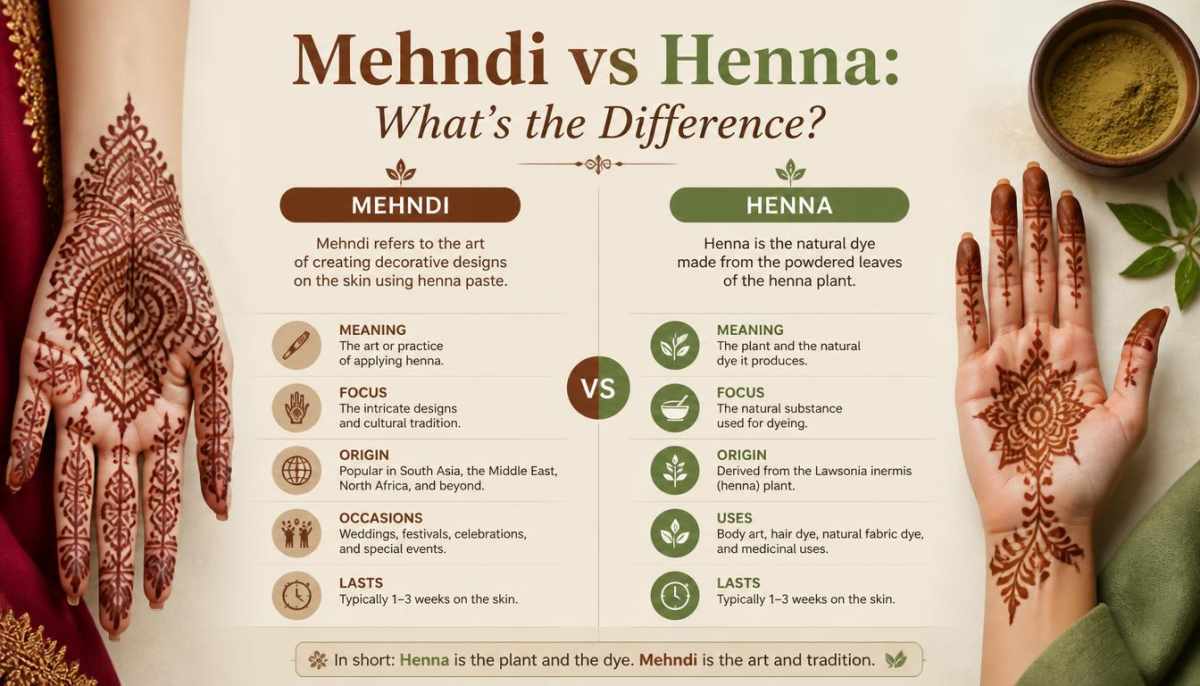
Henna commonly refers to the plant, its leaves, the powder made from those leaves, or the natural dye itself. Mehndi is often used for the decorative practice of applying that dye to the skin and creating detailed designs.
So, when someone talks about making a mehndi design with natural henna, they are generally talking about two parts of the same process.
Are Mehndi and Henna the Same Thing?
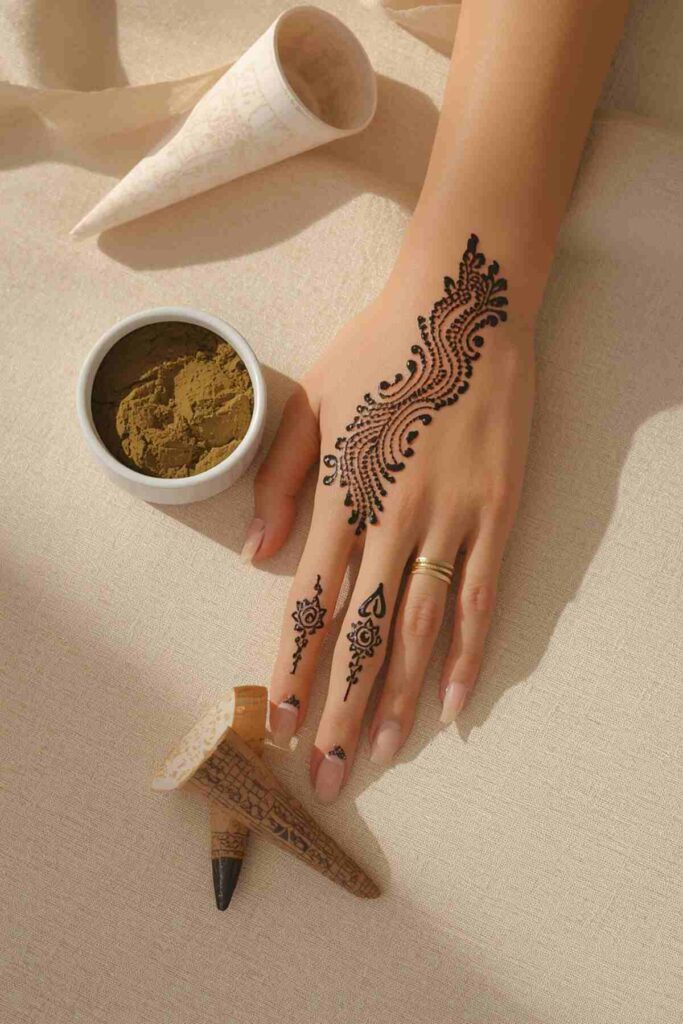
Yes, in the context of traditional natural body art, mehndi and henna are very closely related.
The plant used to make natural henna is commonly known as Lawsonia inermis. Its leaves can be dried and processed into a fine powder, which is then turned into a paste for skin application.
The word henna is more commonly used when talking about the plant, powder, dye, or paste. The word mehndi is especially common in South Asian contexts when referring to the art of decorating the hands, feet, or other areas of the body.
That is why you may see both terms used for the same type of natural body art.
Henna Refers to the Plant and Natural Dye
Henna comes from the henna plant. The leaves contain a natural dye molecule called lawsone, which can bind to the outer layers of the skin and leave a temporary stain.
When people buy natural henna powder, they are usually buying finely ground henna leaves that can be mixed into a paste.
The quality of the powder matters. Fresh, properly stored henna generally gives a more reliable stain than old or poorly stored powder.
Mehndi Refers to the Traditional Body-Art Practice
Mehndi is commonly used to describe the actual art of creating patterns on the skin.
Think about it this way:
Henna = the natural dye/material.
Mehndi = the decorative art and tradition created using that material.
In everyday conversation, however, people often use the two words interchangeably.
What Is Henna?
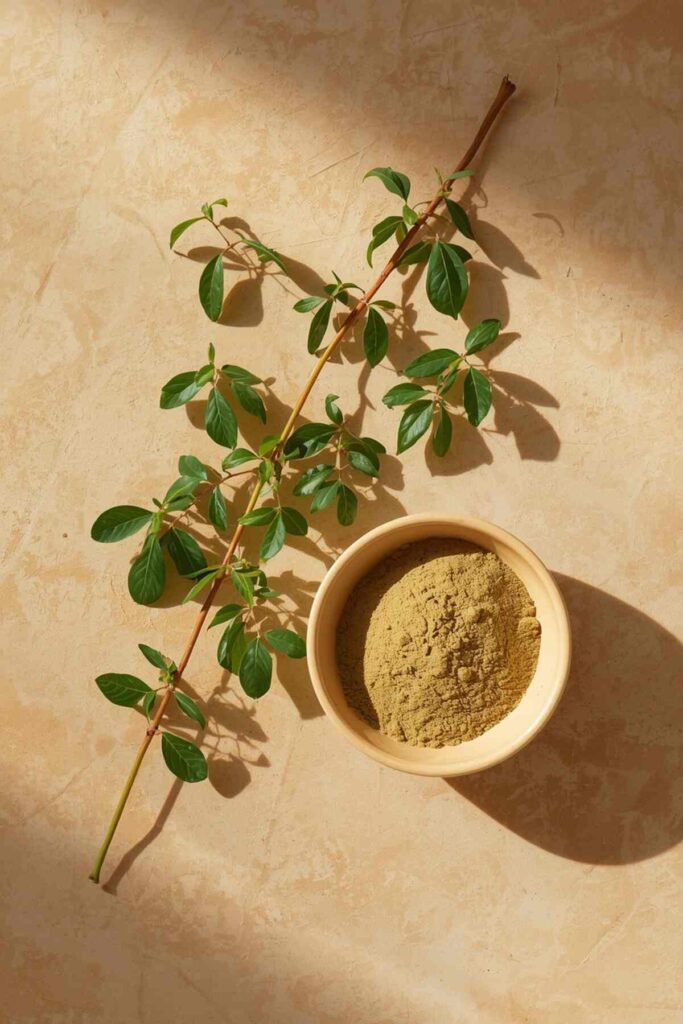
It has been used for generations as a form of temporary body decoration, particularly across parts of South Asia, North Africa, the Middle East, and other regions.
Where Does Henna Come From?
That powder can then be mixed with liquid and other ingredients to create a workable paste.
The paste is applied to clean skin in patterns. Once the dried paste is removed, the skin underneath gradually develops an orange, reddish-brown, or deeper brown stain.
What Is Henna Powder?
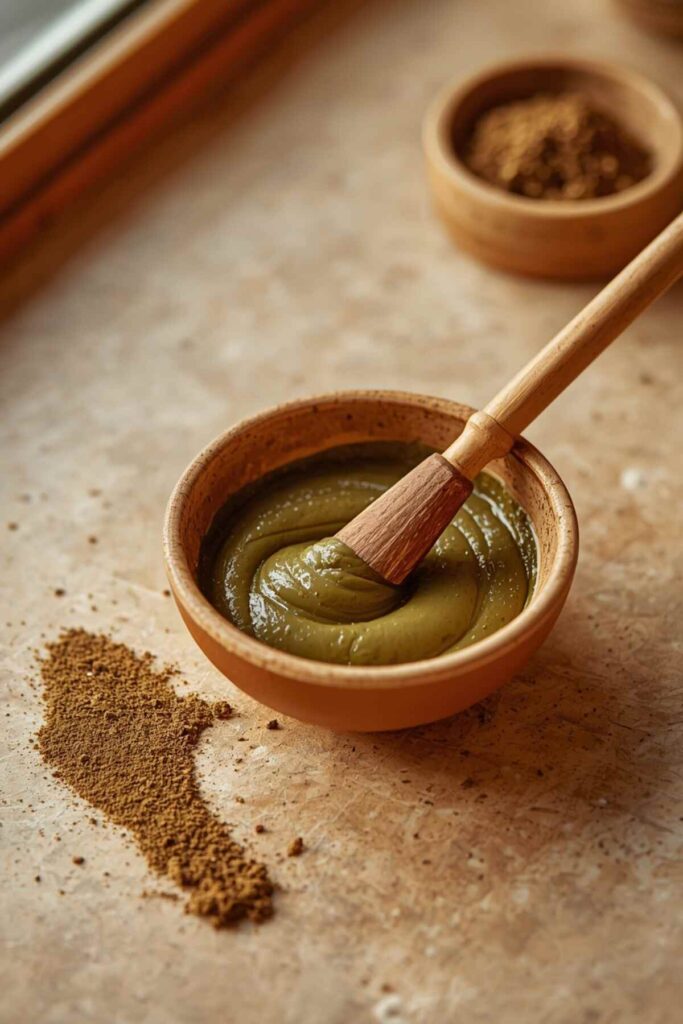
Henna powder is the finely ground form of dried henna leaves.
Not every powder sold as “henna” will necessarily have the same quality. Freshness, storage conditions, processing, and added ingredients can all affect how the final paste behaves and how strongly it stains.
For someone making mehndi at home, choosing a good-quality natural henna powder is one of the most important starting points.
How Does Natural Henna Stain the Skin?
Natural henna contains a dye called lawsone.
When the paste sits on the skin for an appropriate amount of time, the dye interacts with the outer skin cells. The fresh stain usually starts relatively light and then becomes deeper over the following period as it develops.
This is why freshly removed henna does not always show the final colour immediately.
What Is Mehndi?
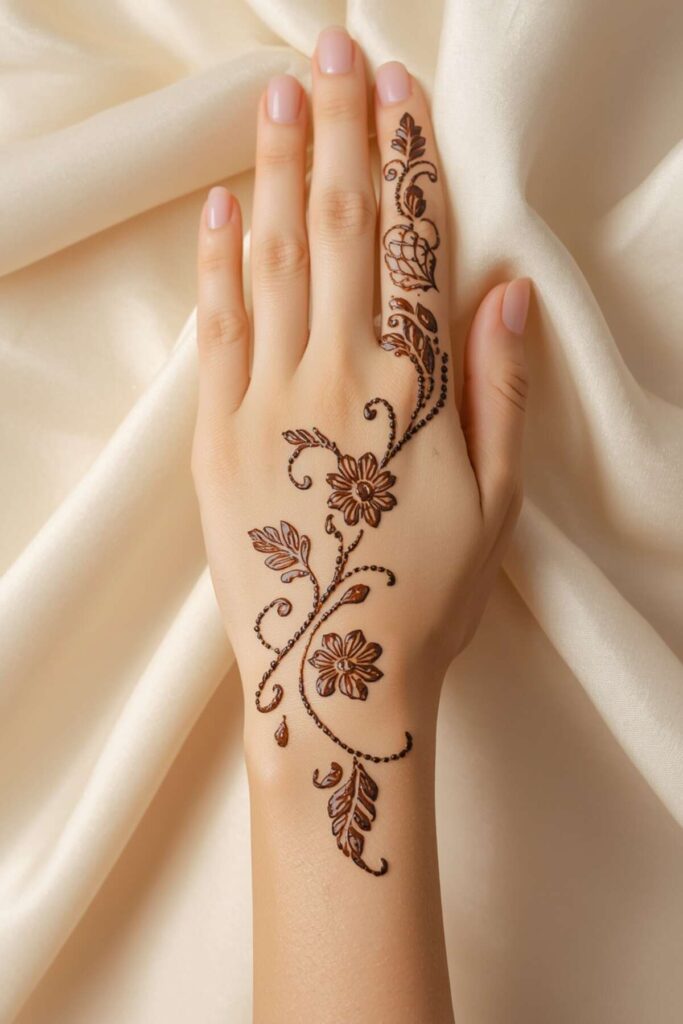
Mehndi is the traditional art of decorating the skin with henna paste.
The designs can be extremely simple or highly detailed. A small floral motif on one finger and a heavily filled bridal hand can both be described as mehndi.
Mehndi as a Body-Art Tradition
Mehndi is more than simply drawing patterns on the skin.
Different regions and communities have developed their own styles, motifs, application techniques, and traditions. Floral patterns, leaves, paisleys, dots, geometric shapes, fine lines, and bold filled sections are commonly combined to create different visual effects.
Modern mehndi has also evolved through social media, where artists experiment with minimal, Arabic, contemporary, geometric, and highly detailed designs.
Mehndi Paste and Mehndi Designs
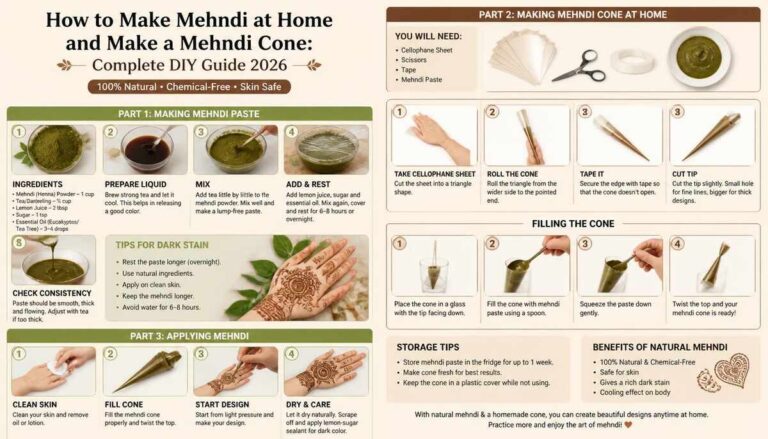
The paste used for traditional mehndi is generally made from natural henna powder mixed into a consistency that can be applied through a cone or another application method.
The consistency makes a big difference.
A paste that is too thick may be difficult to squeeze, while an overly runny paste can spread and make fine details difficult to control.
If you want to prepare your own paste and cone, you can follow our guide on how to make mehndi at home.
Mehndi in South Asian Celebrations
In South Asian culture, mehndi is strongly associated with celebrations and special occasions.
It is particularly visible at weddings, where mehndi ceremonies can involve elaborate designs and social traditions. People also apply simple designs for Eid, festivals, parties, family events, and personal decoration.
Mehndi vs Henna: The Key Differences
The easiest way to understand the difference is to look at how the words are normally used.
| Term | Common meaning |
| Henna | The plant, powder, natural dye, or paste |
| Mehndi | The art and tradition of decorating skin with henna |
| Henna design | A design created using henna |
| Mehndi design | A decorative skin design, usually created with henna |
| Natural henna | Henna made from the natural henna plant |
| Mehndi paste | Paste prepared for applying mehndi designs |
There is plenty of overlap between these terms, which is why someone may say “henna design” while another person says “mehndi design” and both can be referring to essentially the same type of natural body art.
Why Do People Use Both Words?
Language and culture are the main reasons.
Mehndi is especially familiar in South Asian communities, while “henna” is widely used internationally.
Online searches also mix the terms. Someone looking for hand decoration might search for “mehndi designs,” “henna designs,” “henna hand art,” or “natural henna designs.”
The visual result may be very similar even though the search terms are different.
Is Mehndi Paste the Same as Henna Paste?
For traditional natural body art, mehndi paste and natural henna paste can refer to essentially the same type of paste.
The difference is usually in terminology rather than the basic material.
What Goes Into Natural Mehndi Paste?
The main ingredient is natural henna powder.
Depending on the recipe, people may combine it with a liquid and other ingredients to achieve the desired consistency and dye release.
The exact recipe can vary considerably between artists.
Some artists prefer a very simple mixture because they want to know exactly what is going onto the skin. Others use traditional variations that have been passed down or adapted through experience.
Why Can Homemade and Commercial Pastes Differ?
A ready-made cone can be convenient, but you may not always know exactly how it was prepared or stored.
With homemade paste, you have more control over the ingredients, consistency, freshness, and cone filling process.
If you’re interested in making your own, start with a reliable natural henna powder and focus on getting the paste smooth enough to create clean lines.
What Color Does Natural Henna or Mehndi Produce?
Natural henna does not normally produce a permanent black tattoo-like colour.
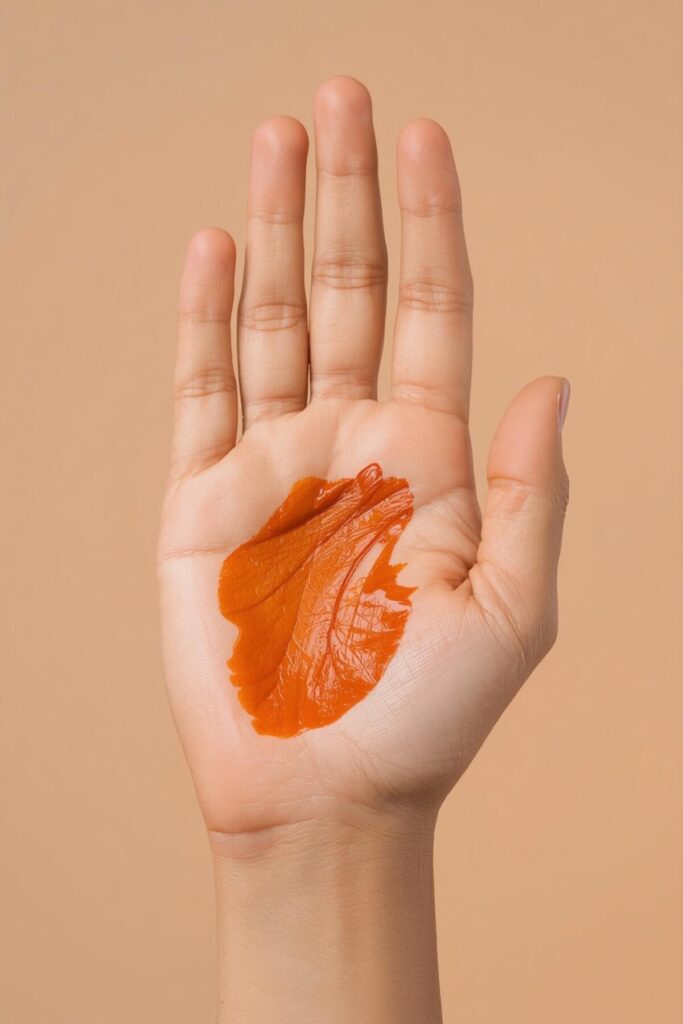
A natural henna stain can begin orange or orange-brown and gradually deepen into shades of reddish brown or brown.
The final appearance varies depending on factors such as the henna itself, skin, application time, warmth, and aftercare.
Why Does the Stain Get Darker?
The colour continues developing after the dried paste is removed.
This is one reason you should not judge a natural henna application only a few minutes after removing the paste.
The stain can change noticeably as it develops.
Does Skin Type Affect the Result?
Yes, the appearance can vary from person to person.
The thickness of the outer skin, body area, application conditions, and how long the paste remains in contact with the skin can all influence the final result.
Areas such as the palms often develop a stronger-looking stain than some other parts of the body.
Natural Henna vs Black Henna
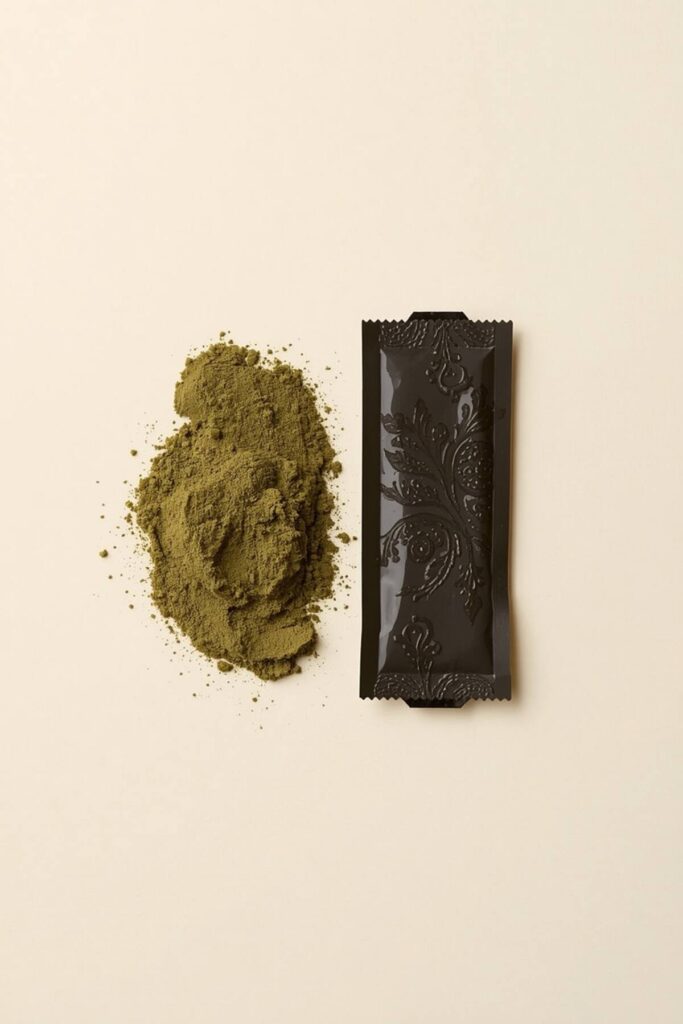
This is an important distinction to understand if you are choosing a henna product for skin use.
What Is Natural Henna?
Natural henna is made from the henna plant and normally produces shades within the orange-to-brown range as the stain develops.
It does not naturally create an instant, jet-black tattoo-like stain.
What Does “Black Henna” Mean?
The term black henna can refer to products marketed to create a very dark or black temporary tattoo.
Some products sold this way may contain PPD (p-phenylenediamine), an ingredient commonly used in hair dyes. The FDA warns that products marketed as “black henna” may contain PPD and can cause dangerous skin reactions.
So if you are buying a product for skin application, don’t rely only on the word “henna” on the packaging. Check the ingredients and product information carefully.
Why Does the Ingredient List Matter?
Natural henna and chemically modified products are not necessarily the same thing.
If your goal is traditional natural mehndi, look for a product that clearly identifies its ingredients and is intended for skin use.
When something promises an extremely dark or almost instant black result, it is worth being especially careful about what is actually inside the product.
Mehndi and Henna in Different Cultures
The words may change depending on where you are and what aspect of the tradition you’re discussing.
Why Is the Word “Mehndi” Common in South Asia?
In countries such as India, Pakistan, and Bangladesh, “mehndi” is a familiar term for the art of applying henna designs.
You will often hear phrases such as:
- Mehndi design
- Bridal mehndi
- Eid mehndi
- Mehndi cone
- Mehndi ceremony
The word is closely connected with the cultural practice and celebrations surrounding the art.
Why Is “Henna” More Common Internationally?
“Henna” is widely recognized as the name of the plant and natural dye.
International beauty, art, and body-art communities often use phrases such as:
- Henna design
- Henna artist
- Henna paste
- Natural henna
- Henna tattoo
Again, these terms can describe the same traditional natural body-art practice.
Why Do Online Searches Use Both Terms?
People search according to the vocabulary they already know.
Someone familiar with South Asian culture may type “mehndi design,” while another person may search “henna hand design.”
For creators and artists, understanding both terms is useful because they describe closely related search interests.
Which Term Should You Use: Mehndi or Henna?
There isn’t one universal word that you have to use.
Use mehndi when you are talking about the design tradition, particularly in a South Asian cultural context.
Use henna when you are talking about the plant, natural dye, powder, or the broader international term for the art.
That sentence uses both words naturally because they are describing slightly different parts of the same process.
Common Questions About Mehndi and Henna
Is Mehndi the Same as Henna?
They are closely related and are often used interchangeably. Henna commonly refers to the plant or natural dye, while mehndi commonly refers to the art and tradition of applying it to the skin.
Is Henna Powder the Same as Mehndi Powder?
In the context of traditional natural body art, they can refer to the same henna powder used to prepare mehndi paste. The terminology can vary by region and seller.
Is Mehndi Made From the Henna Plant?
Traditional natural mehndi is made using henna derived from the Lawsonia inermis plant.
Does Natural Henna Always Produce a Dark Brown Stain?
No. Natural henna can produce different shades, commonly developing from orange or orange-brown into deeper reddish-brown or brown tones.
Why Do Some People Say Henna Instead of Mehndi?
“Henna” is a widely used international term, while “mehndi” is particularly common in South Asian contexts. Both words are frequently used for this type of body art.
More Mehndi Designs to Explore
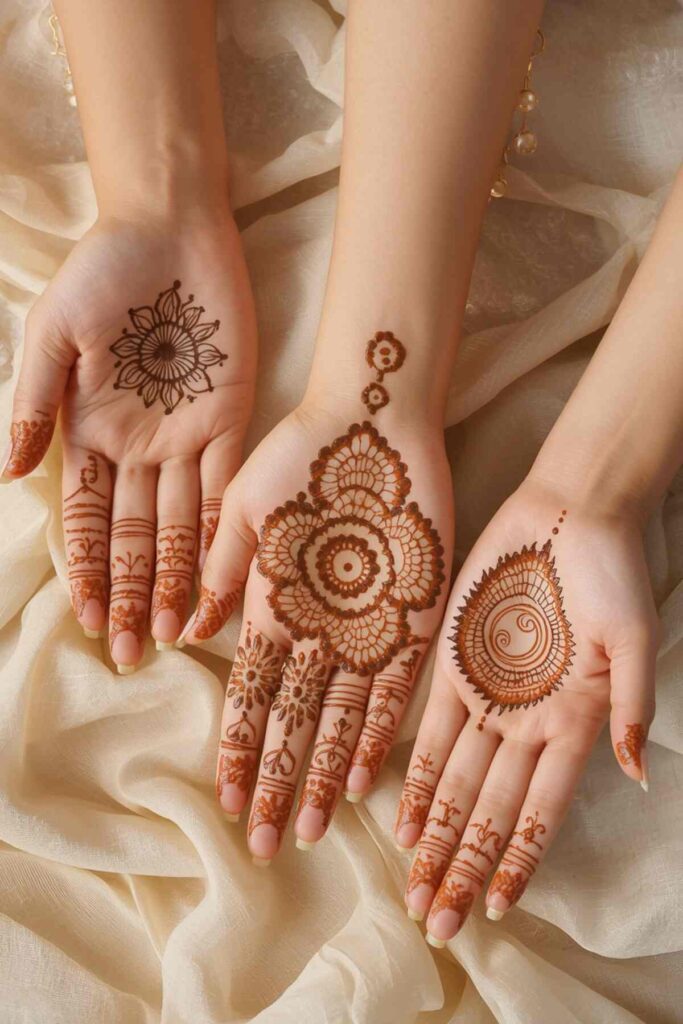
Once you understand the difference between henna and mehndi, the next step is simply to explore different design styles.
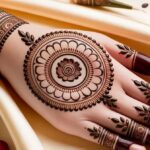
If you’re learning and want something manageable, start with simple mehndi designs for beginners. Simple flowers, leaves, dots, and lines are useful for practising pressure control and spacing.
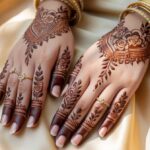
For a little more coverage, try these easy front-hand mehndi designs and experiment with how the design flows from the fingers toward the centre of the hand.
If you enjoy saving designs before trying them yourself, Pinterest is a useful place to collect ideas.
A good idea is to save a few designs with different levels of detail rather than choosing one complicated pattern immediately. That makes it easier to find a design that actually matches your skill level and the occasion.
Final Thoughts
Mehndi and henna are not two completely separate forms of body art.
They are closely connected terms used to describe different parts of the same traditional practice. Henna commonly refers to the plant, natural dye, powder, or paste, while mehndi often refers to the art of creating decorative designs with that paste.
Once you understand that distinction, terms like “natural henna,” “mehndi paste,” “henna design,” and “mehndi design” become much easier to understand.