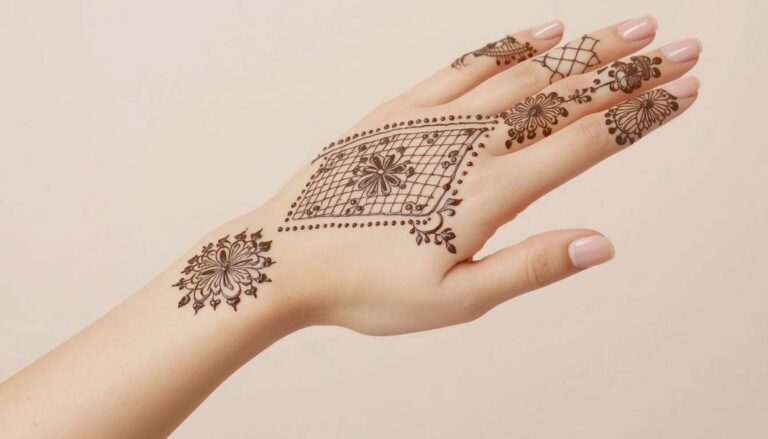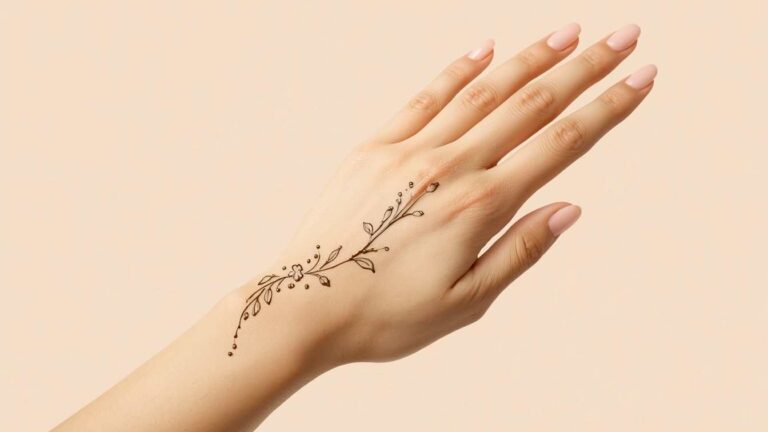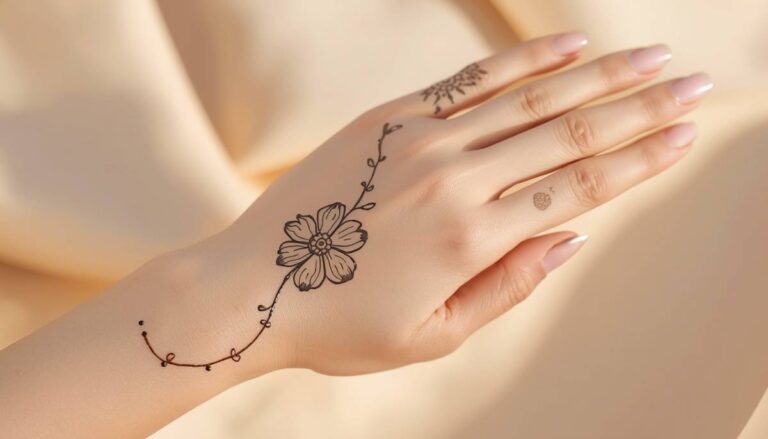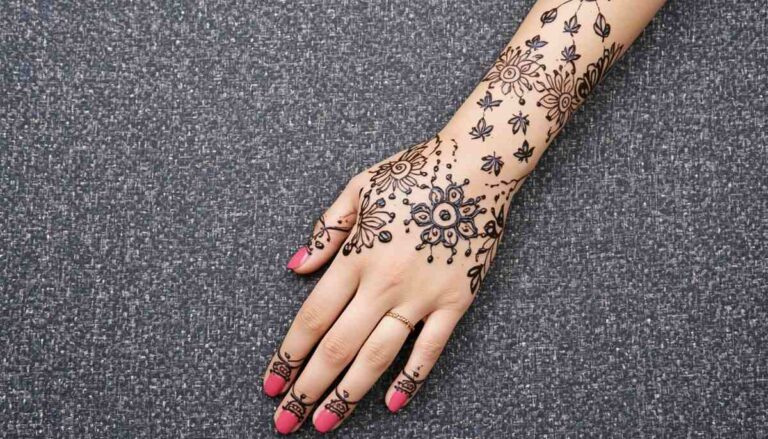
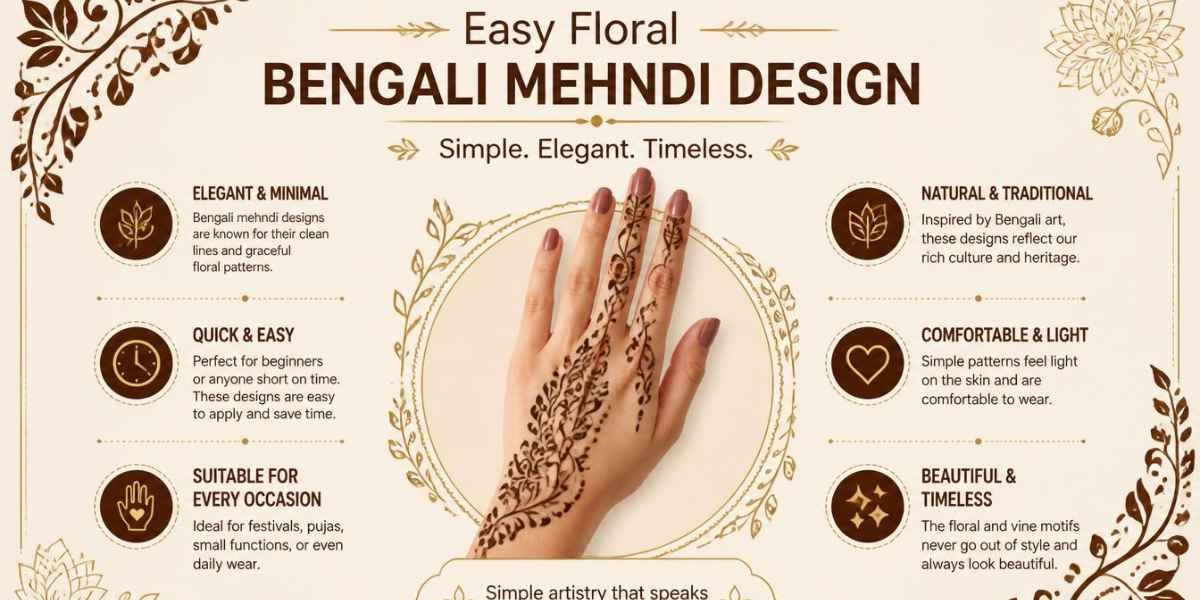

A Bengali mehndi design simple style is perfect when you want traditional beauty without covering the entire hand with heavy patterns. Bengali-inspired mehndi often looks graceful with floral motifs, leafy vines, paisleys, dots, and carefully placed fine lines.
You can keep the design light for everyday wear or add a few extra details for Eid, weddings, and family celebrations. The beauty of a simple pattern comes from clean shapes and balanced spacing rather than filling every part of the hand.
Why Choose a Simple Bengali Mehndi Design?
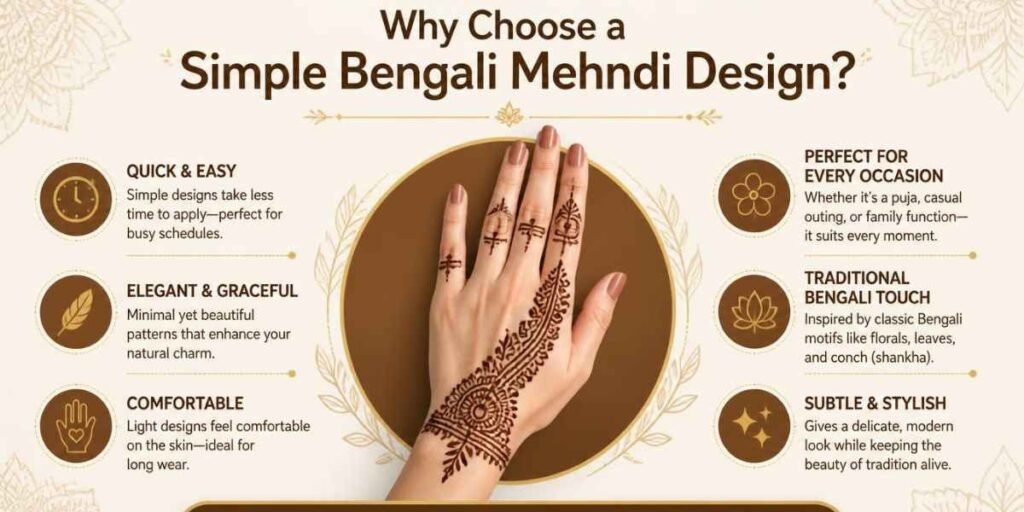
Simple Bengali mehndi designs are easy to customize according to your hand size and the occasion. You can create a small wrist pattern, decorate the back of the hand, or extend a delicate vine toward the fingers.
These designs are also a good option for beginners because many patterns rely on basic strokes and familiar motifs. With a little practice, flowers, leaves, dots, and curved lines can create a beautiful traditional look.
Also Read: Easy Wrist Mehndi Design
Easy Floral Bengali Mehndi Design
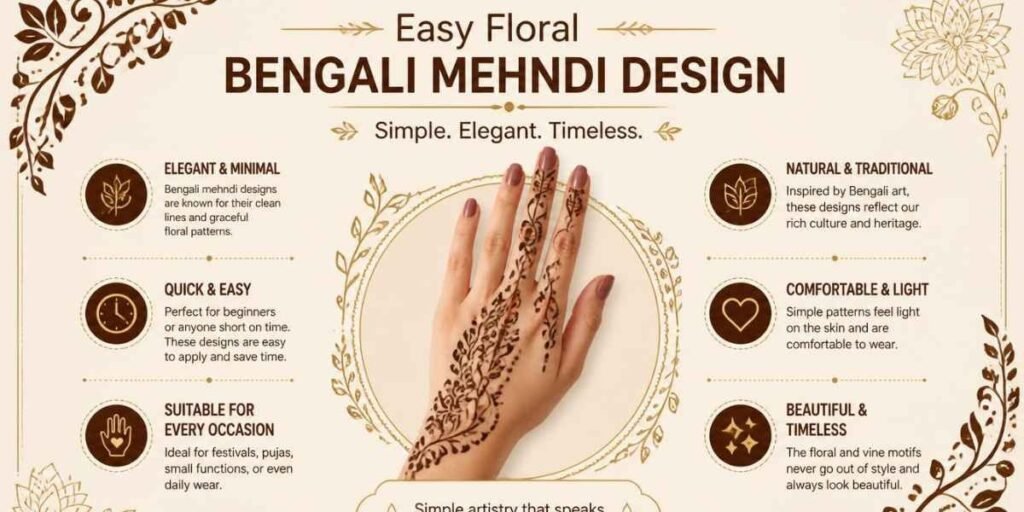
Flowers are one of the easiest motifs to include in a Bengali-inspired mehndi pattern. Start with one medium-sized flower and surround it with small leaves or curved stems to create a natural flow.
For a softer appearance, leave some space between each motif instead of filling the entire hand. Small dots around the petals can add detail while keeping the design simple and elegant.
Bengali Leaf and Vine Pattern
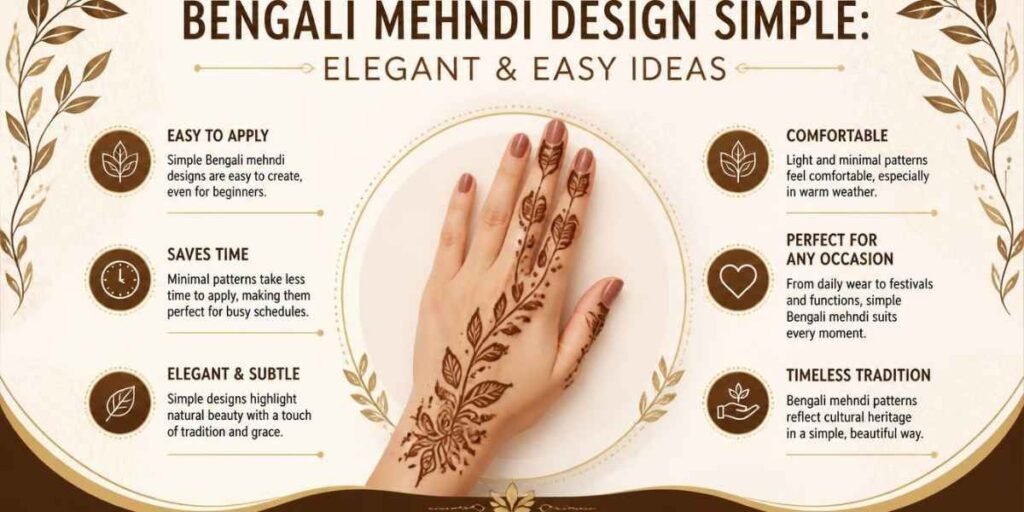
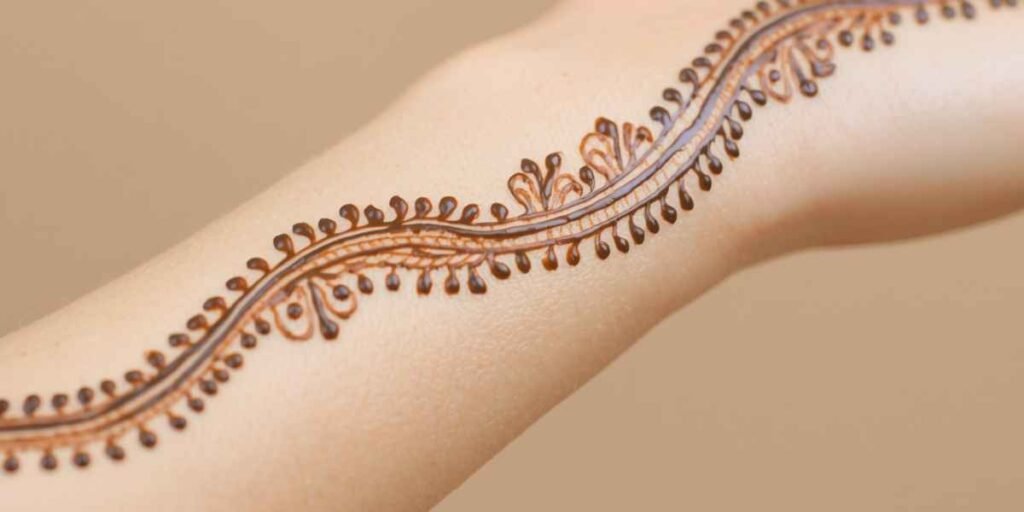
A flowing leafy vine can give a simple mehndi design a graceful Bengali-inspired appearance. Begin with a curved stem and add pairs of small leaves along the line, gradually extending the pattern toward the wrist or fingers.
You can make the vine as short or long as you like. A single sweeping curve looks delicate, while two connected vines can create a slightly fuller design without becoming too complicated.
Simple Bengali Mehndi for the Back of the Hand
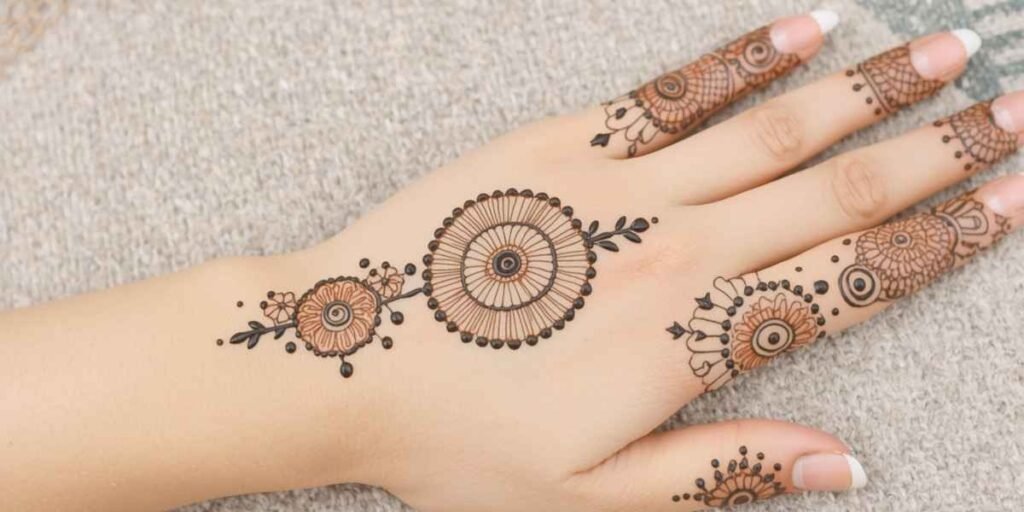
The back of the hand provides plenty of space for a beautiful open mehndi pattern. A central flower, paisley, or small mandala can act as the main focus, with vines extending outward toward the wrist.
Keep the fingertips relatively simple if you want a modern appearance. A few small dots or short lines can connect the main design without making the hand look crowded.
Minimal Bengali Wrist Mehndi
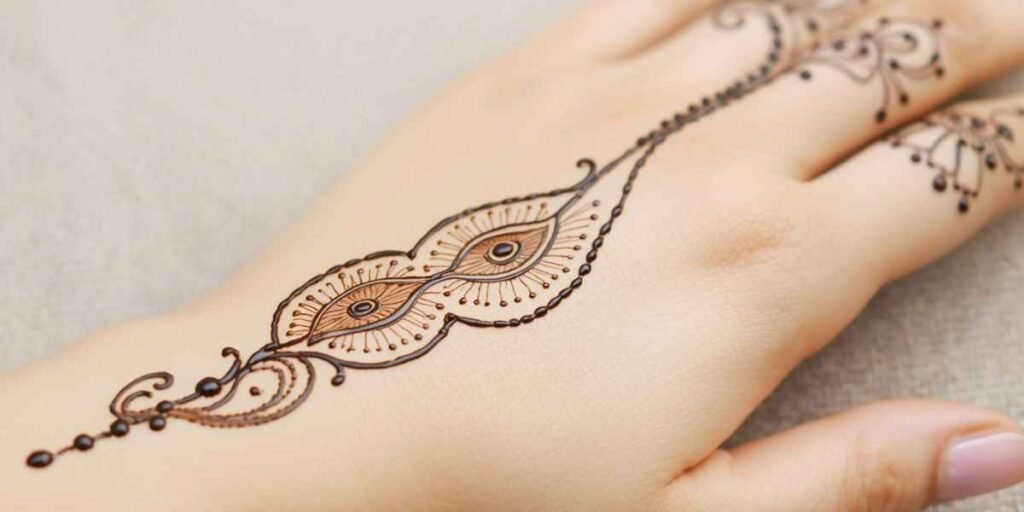
A wrist-only Bengali mehndi design is a great choice when you want something quick and subtle. A thin floral bracelet, leafy band, or chain of dots can create the appearance of traditional jewelry.
You can also extend a small vine from the bracelet toward the hand. This gives the design movement while keeping most of the wrist and hand uncovered.
Bengali Mehndi With Paisley Motifs
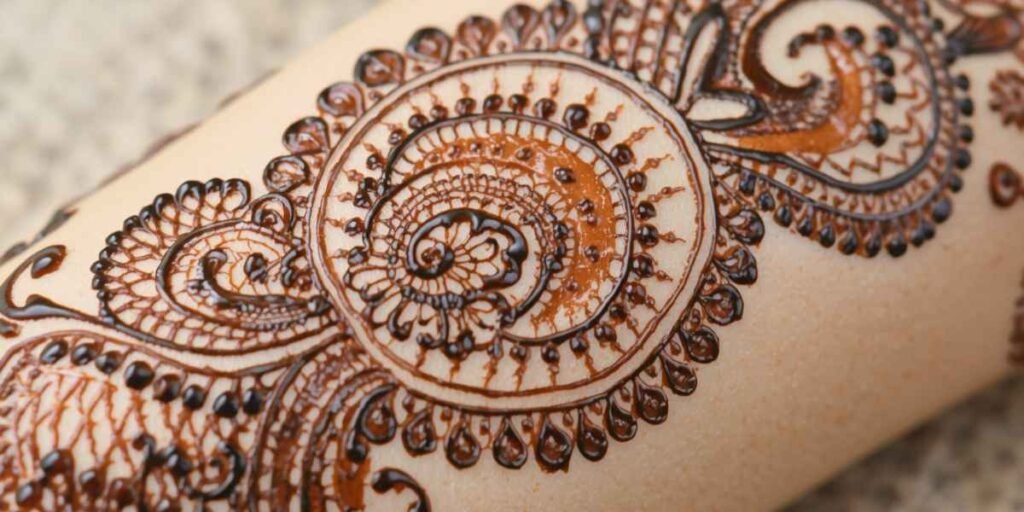
Paisleys can add a traditional touch without requiring a very complicated pattern. Use one medium-sized paisley as the centerpiece and decorate it with small leaves, dots, curved lines, or simple floral details.
For a beginner-friendly version, avoid filling the paisley with too many tiny patterns. A clean outline with a few internal details can look more refined and makes the design easier to draw.
Simple Bengali Mehndi for Beginners
If you’re new to applying mehndi, start with basic elements instead of attempting an elaborate bridal pattern. Practice curved lines, dots, leaves, petals, and simple paisleys on paper before applying them to your hand.
Once you feel comfortable controlling the mehndi cone, combine two or three motifs into one design. Keeping the pattern open gives you more room to correct small mistakes and helps the final result look neat.
Bengali Mehndi Design for Eid
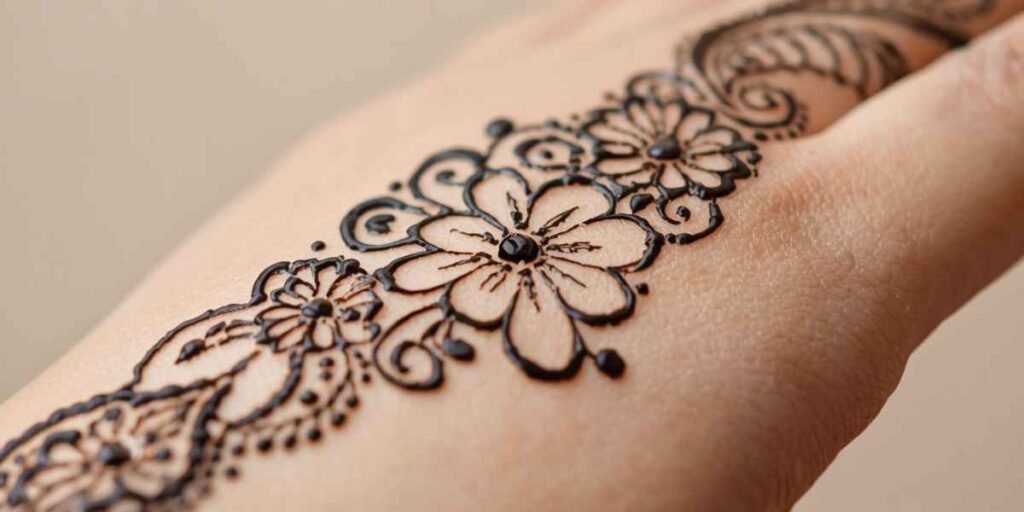
For Eid, you can make a simple Bengali design slightly more festive by adding flowers, delicate vines, and small decorative dots. A balanced pattern on the back of the hand can look beautiful without requiring hours of application.
Gold jewelry or colorful traditional clothing can complement this type of mehndi particularly well. Keep the design coordinated with your outfit if you want the overall look to feel polished.
Bengali Mehndi for Weddings
Wedding mehndi can be more detailed, but a simple Bengali-inspired pattern works beautifully for guests, bridesmaids, or anyone who prefers lighter designs. Floral trails, paisleys, leafy vines, and bracelet-style wrist patterns are easy to combine.
For a slightly richer appearance, add fine lines inside the flowers and paisleys. You can also extend the pattern from the wrist toward the fingers while leaving intentional areas of bare skin.
Common Mistakes to Avoid
Even simple Bengali-style mehndi can go wrong if a few basics are skipped. Here’s what most beginners get wrong and how to avoid it.
Using a thick or uneven cone flow
If the henna comes out too thick, lines look blobby instead of clean. Before starting on your hand, test the cone on a piece of paper first. The line should flow smooth and thin, not clumpy.
Wiping the henna off too early
Bengali mehndi needs at least 3-4 hours on the skin for a good stain — overnight gives the deepest color. Removing it after just 30-40 minutes is the most common reason the design fades within a day or two.
Filling every space
The beauty of a simple Bengali design comes from open, bare skin between motifs. Beginners often try to “complete” the pattern by adding extra lines or dots everywhere, which ends up making it look cluttered instead of elegant.
Not sealing the design
Once the henna paste dries, a mix of lemon juice and sugar dabbed lightly on top helps it stay longer and gives a darker stain. Skipping this step is why some designs come out patchy or too light.
Final Thoughts
Bengali-style mehndi proves that a beautiful traditional look doesn’t need a heavy or hour-long pattern. Floral motifs, leafy vines, paisleys, and delicate wrist bracelets can give your hands an elegant finish with relatively little effort, often in under 20 minutes.
Whether you’re getting ready for Eid, a wedding, or just want to experiment with henna for the first time, start with a design that matches your comfort level. Keep the lines clean, leave space intentionally instead of filling every inch, and add more detail as your hand gets steadier with practice.
If you’re trying this for the first time, practice one motif like the five-petal flower or a single vine on paper before applying it to skin. That one habit alone saves most beginners from smudged lines and uneven spacing.
Frequently Asked Questions
What is a simple Bengali mehndi design?
A simple Bengali mehndi design uses traditional-looking motifs such as flowers, leaves, paisleys, vines, dots, and curved lines while keeping the overall pattern light and open.
Is Bengali mehndi suitable for beginners?
Yes. Many simple Bengali-inspired patterns use basic shapes that beginners can practice easily. Starting with flowers, leaves, dots, and vines is a good way to build confidence.
Which Bengali mehndi design is best for Eid?
A floral vine, simple back-hand pattern, or delicate wrist bracelet can work beautifully for Eid. You can add small dots and fine details to make the design more festive.
How long does Bengali mehndi color last?
With proper care, Bengali-style mehndi stains typically last 5-7 days, gradually fading as the skin naturally exfoliates. Leaving the paste on overnight and avoiding water for the first few hours after removing it will help the color stay darker and longer.
Can Bengali mehndi be learned at home without taking a class?
Yes, absolutely. Bengali-inspired patterns rely on basic elements like dots, curved lines, small leaves, and simple flowers, which makes them beginner-friendly to self-teach. Practicing individual motifs on paper before applying them to skin is enough to build confidence without needing formal classes.
Editor’s Note:
This article was updated on August 29, 2026 to include a “Common Mistakes to Avoid” section, two additional FAQs, and refreshed practical tips based on reader feedback. All designs and advice have been reviewed to reflect current mehndi trends and application best practices.