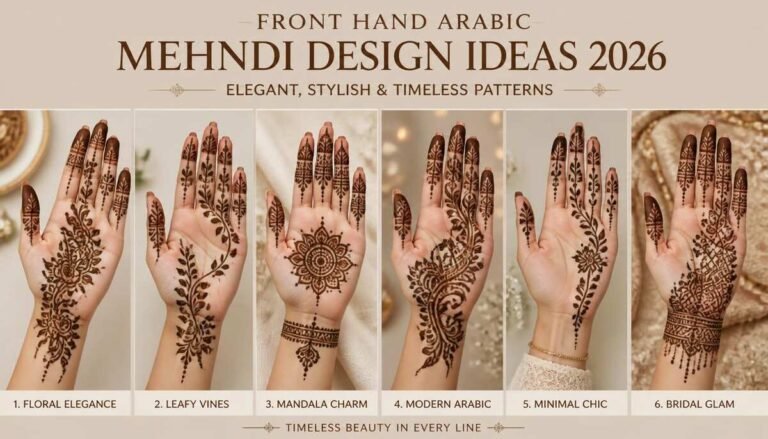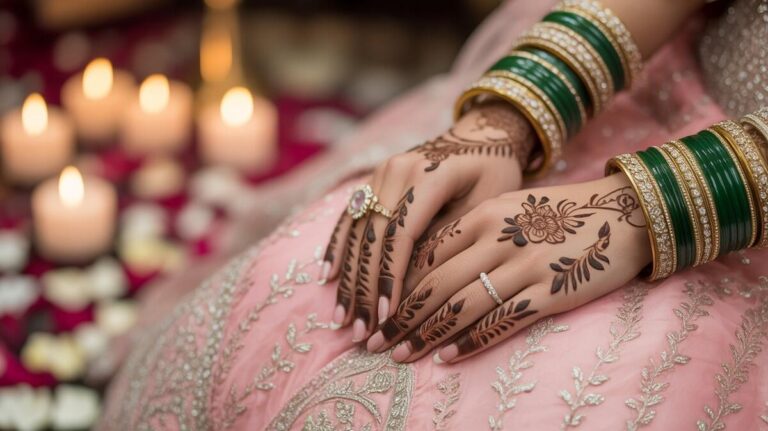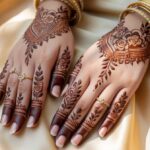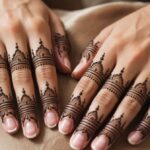


Arabic mehndi has become one of the most requested styles for the back of the hand, and it’s easy to see why. Unlike dense, fully-filled traditional patterns, Arabic designs use bold floral motifs, flowing vines, and open negative space, which makes them look striking without taking hours to apply.
This style works for almost any occasion, weddings, Eid, Karva Chauth, or even a casual evening out because it can be scaled from a light, minimal pattern to a heavier, more elaborate one depending on how much of the hand you want covered.
In this guide, we’ll cover the best Arabic mehndi designs for back hand looks, how to pick one for your occasion, and a few tips to help the design hold up and look its best once it’s dry.
What Makes Arabic Mehndi Different

Arabic mehndi stands apart from other styles mainly because of its use of open space. Instead of covering the entire hand in fine detail, it relies on large floral and leaf motifs connected by flowing vines, leaving bare skin visible between elements.
This open, airy structure is also what makes it beginner-friendly. Since the design doesn’t rely on dense fill patterns, it’s quicker to apply and more forgiving of small imperfections in line work.
Floral Trail Mehndi Designs

A floral trail running diagonally across the back of the hand, starting from the wrist and extending toward the fingers, is one of the most popular Arabic styles. It typically combines large flowers with smaller leaves and curling vines to create a natural, flowing look.
This design works well because it complements the shape of the hand rather than fighting against it. It also suits both simple, everyday wear and more festive occasions, depending on how much detail and shading you add to each flower.
Bold Corner Mehndi Designs

In this style, the mehndi is concentrated in one corner of the back hand often near the wrist or along one side rather than spread evenly across the whole surface. The design is usually heavier and more detailed in that one section to balance out the rest of the bare hand.
This approach is a good option if you want a striking look without committing to full hand coverage. It also tends to photograph well, since the concentrated detail draws the eye naturally.
Lotus Motif Mehndi Designs

Lotus-inspired Arabic mehndi has become especially popular for weddings and bridal looks. The lotus is typically placed as a centerpiece on the back of the hand, with smaller floral and leaf patterns branching outward from it.
This design pairs elegance with tradition, since the lotus motif carries cultural significance in many mehndi traditions. It also works particularly well when paired with a deep, rich henna stain, which makes the petal detailing stand out more clearly.
Also Read : Lotus Mehndi Design 2026
Jaal (Net) Pattern Mehndi Designs

Jaal, or net-style, patterns use a web of fine crisscrossing lines to fill sections of the back hand, often combined with small floral accents at the intersections. It gives a delicate, lace-like appearance that feels lighter than a fully filled design.
This style suits people who want something more detailed than a simple floral trail but still prefer an airy, non-heavy look. It’s also a popular choice for brides who want intricacy without covering every inch of the hand in solid mehndi.
Ring and String Designs

This design uses a ring-like motif as the centerpiece on the back of the hand, connected to the fingers or wrist using thin string-like lines. It creates the illusion of jewelry drawn directly onto the skin, which gives it a distinctive, statement look.
It’s a good choice for those who want something different from the usual floral patterns but still want a design rooted in the Arabic style’s bold, open aesthetic. The contrast between the solid ring motif and delicate connecting lines is part of what makes it stand out.
Choosing the Right Mehndi Design for Your Occasion

For weddings and bridal mehndi, richer designs like the lotus motif or jaal patterns tend to suit the occasion better because they offer intricate details and pair beautifully with bridal outfits. During festivals such as Eid or Karva Chauth, a floral trail or bold corner design creates a festive look without requiring hours of application.
For casual or everyday wear, a simpler floral trail with fewer elements and more open space is ideal. It takes less time to apply and is easier to touch up if the mehndi fades unevenly. Ultimately, matching the design’s intensity to the occasion is more important than choosing a style based solely on current trends.
Tips for a Design That Lasts

Applying a thin, even layer of henna paste and leaving it on for several hours ideally overnight before scraping it off gives the deepest, longest-lasting stain. Avoid washing your hands with soap for the first few hours after removing the paste, since this can lighten the color before it fully develops.
Keeping the area moisturized in the days after application, using natural oils like coconut or mustard oil, also helps the stain last longer and age gracefully rather than patching or fading unevenly.
Final Thoughts
Arabic mehndi designs for the back hand offer something for every occasion, whether you want a heavy bridal look or something simple enough for a regular day out. The style’s real strength lies in its balance of bold motifs and open space,
which means you can dress it up or keep it minimal without ever making the design feel incomplete. Whichever pattern you pick, giving it enough time to set and following a few simple aftercare steps will make the biggest difference in how rich and long-lasting the final stain turns out.
Frequently Asked Questions
Which Arabic mehndi design is best for beginners?
Simple floral trails and bold corner designs are the easiest to start with, since they rely on large, open motifs rather than fine, dense detailing.
How long does Arabic mehndi last on the back hand?
The stain typically lasts one to two weeks, depending on skin type, aftercare, and how often the area is exposed to water or soap.
Can Arabic mehndi designs be made simple for everyday wear?
Yes, a scaled-down floral trail with fewer motifs and more open space works well for everyday or casual occasions, since it’s quick to apply and doesn’t require heavy detailing.